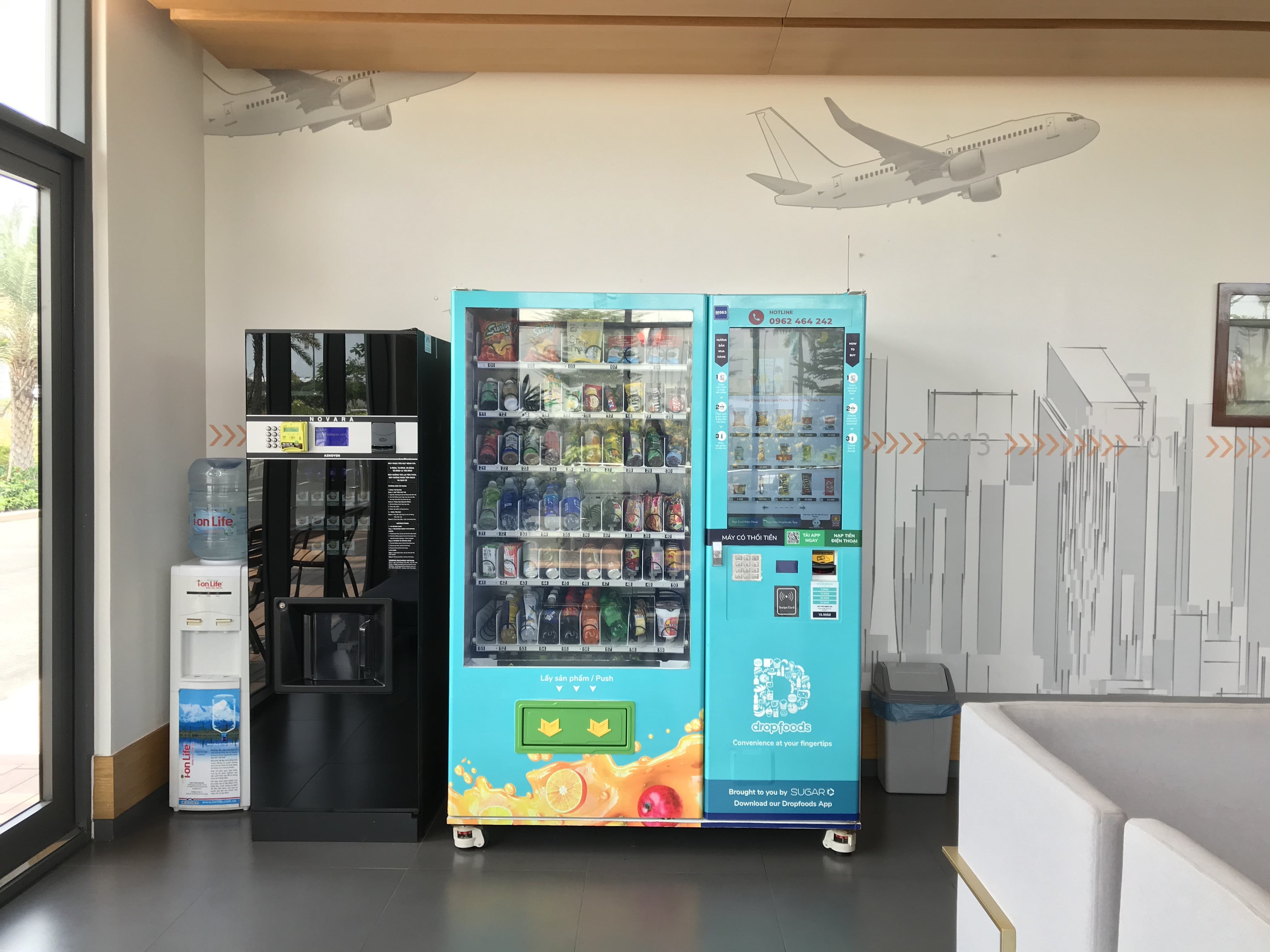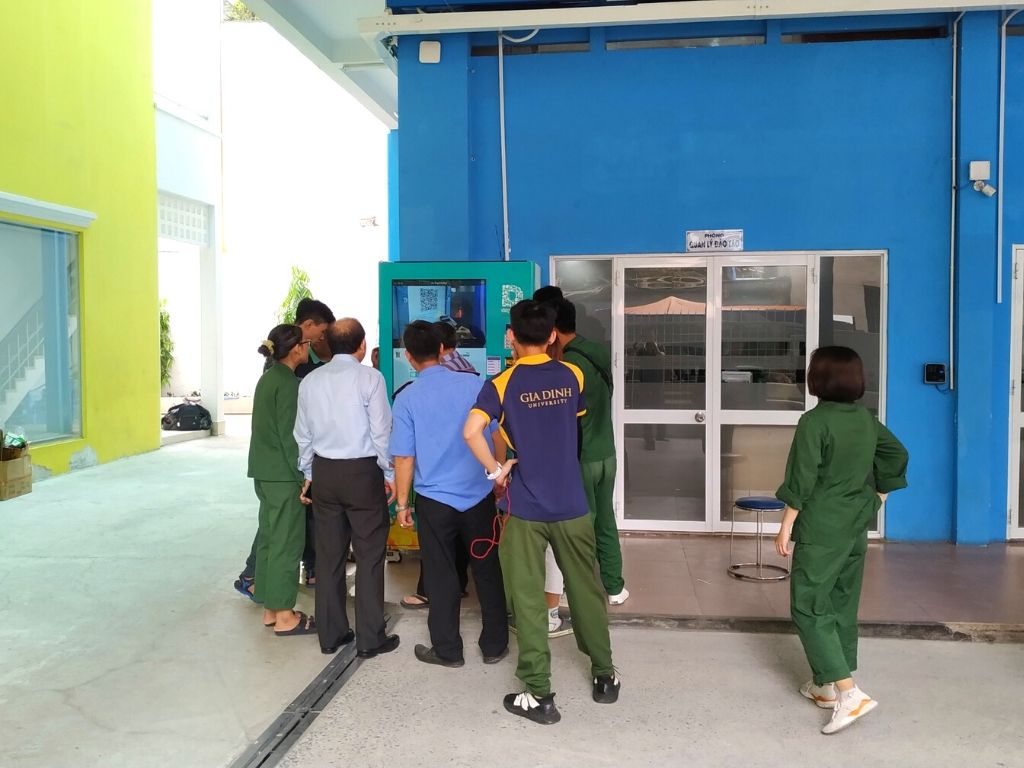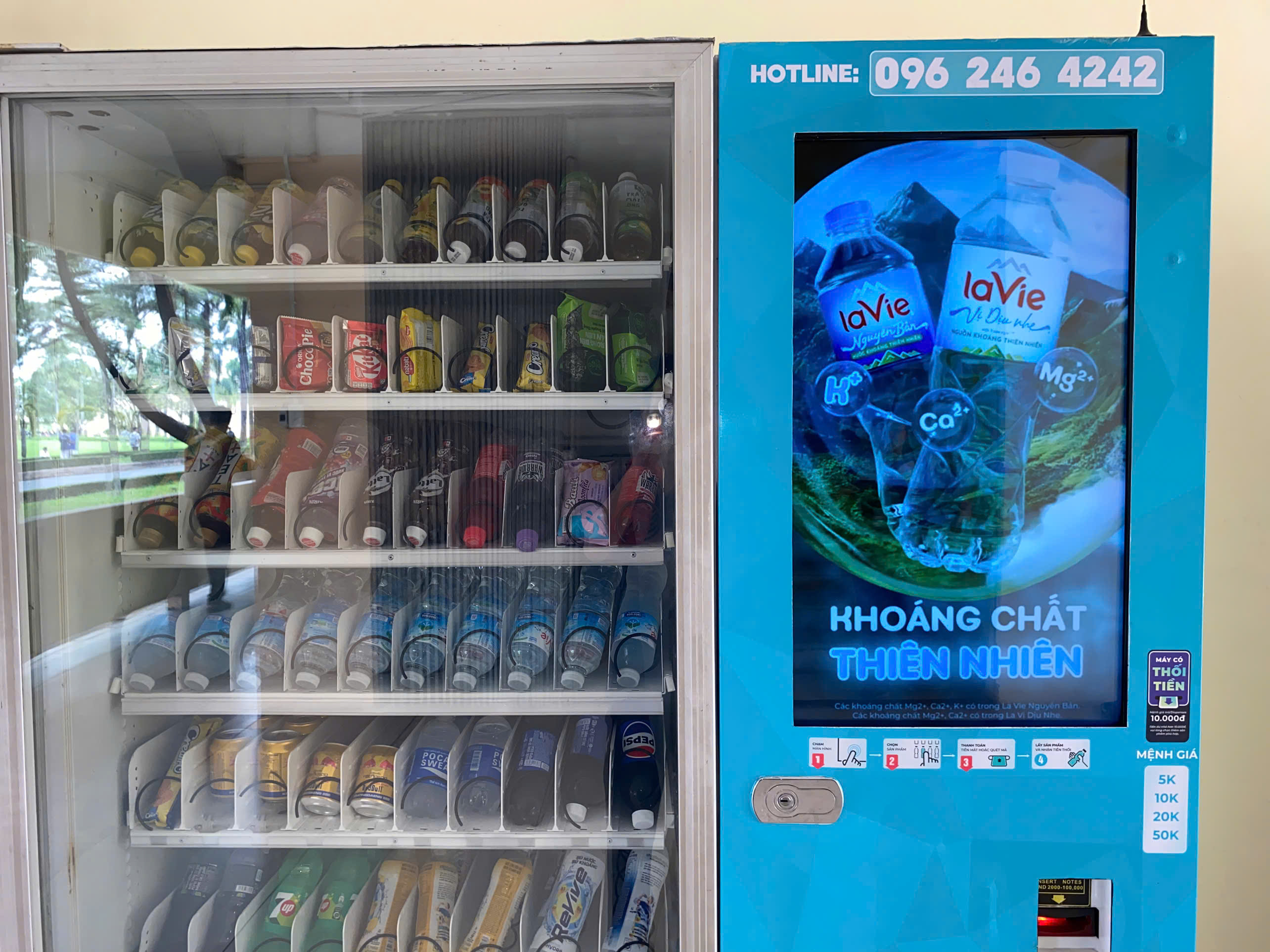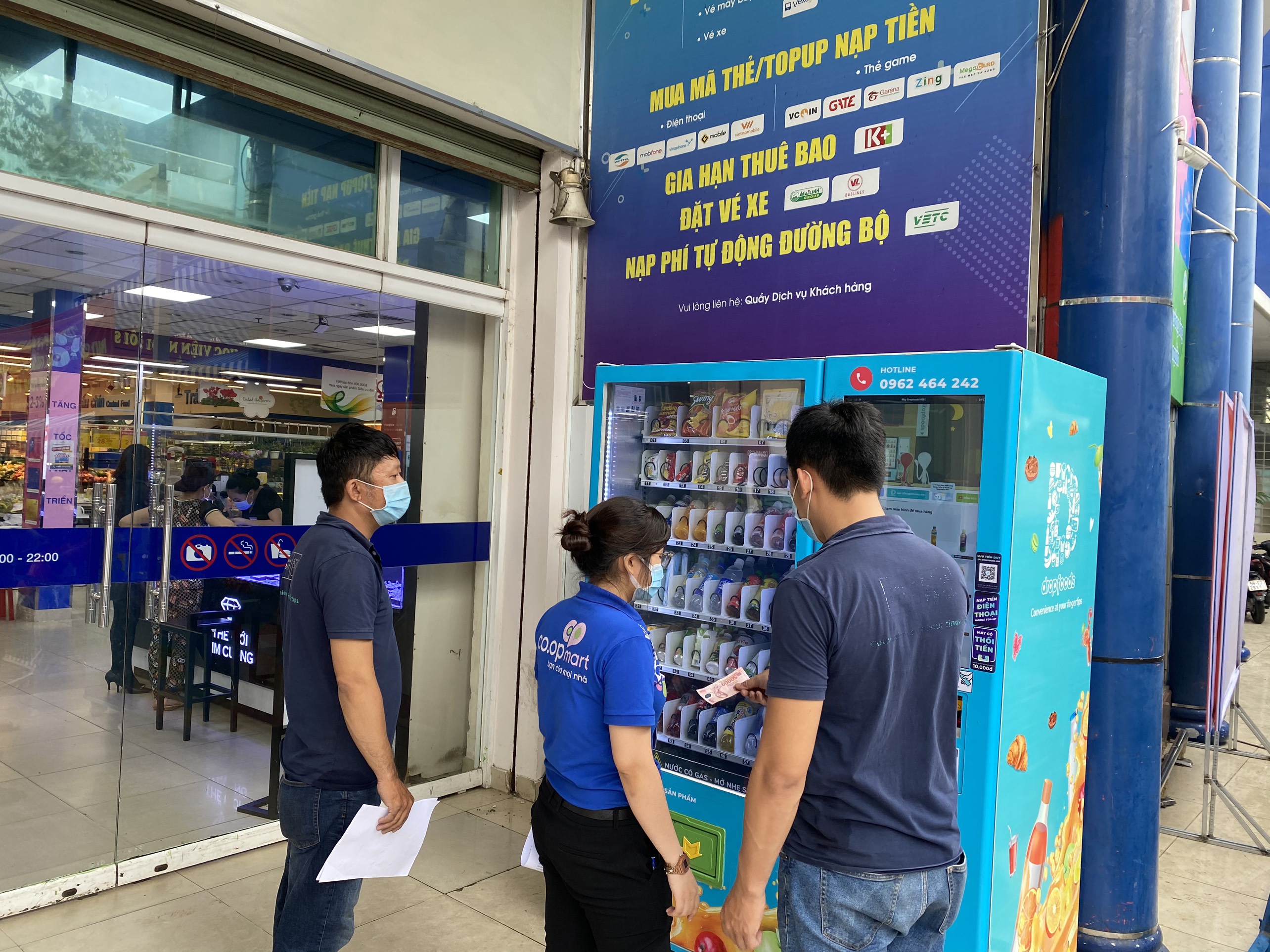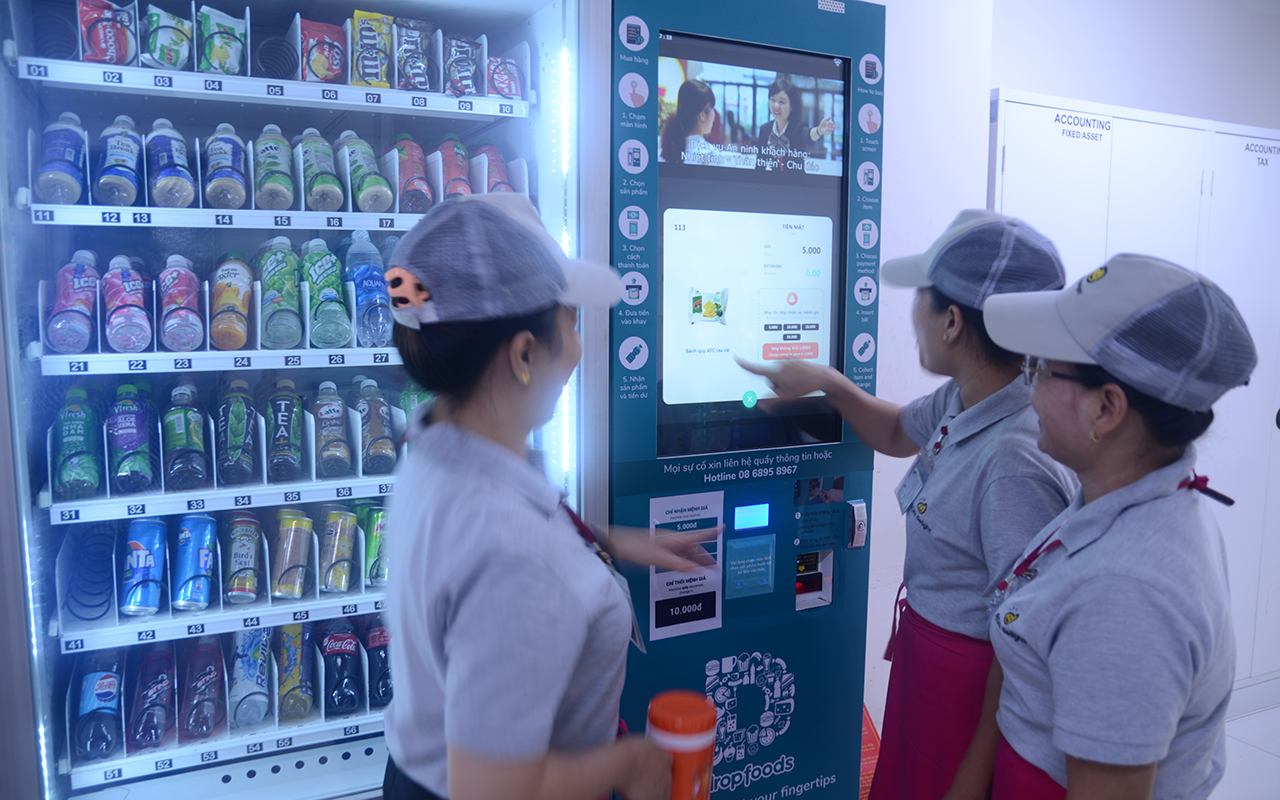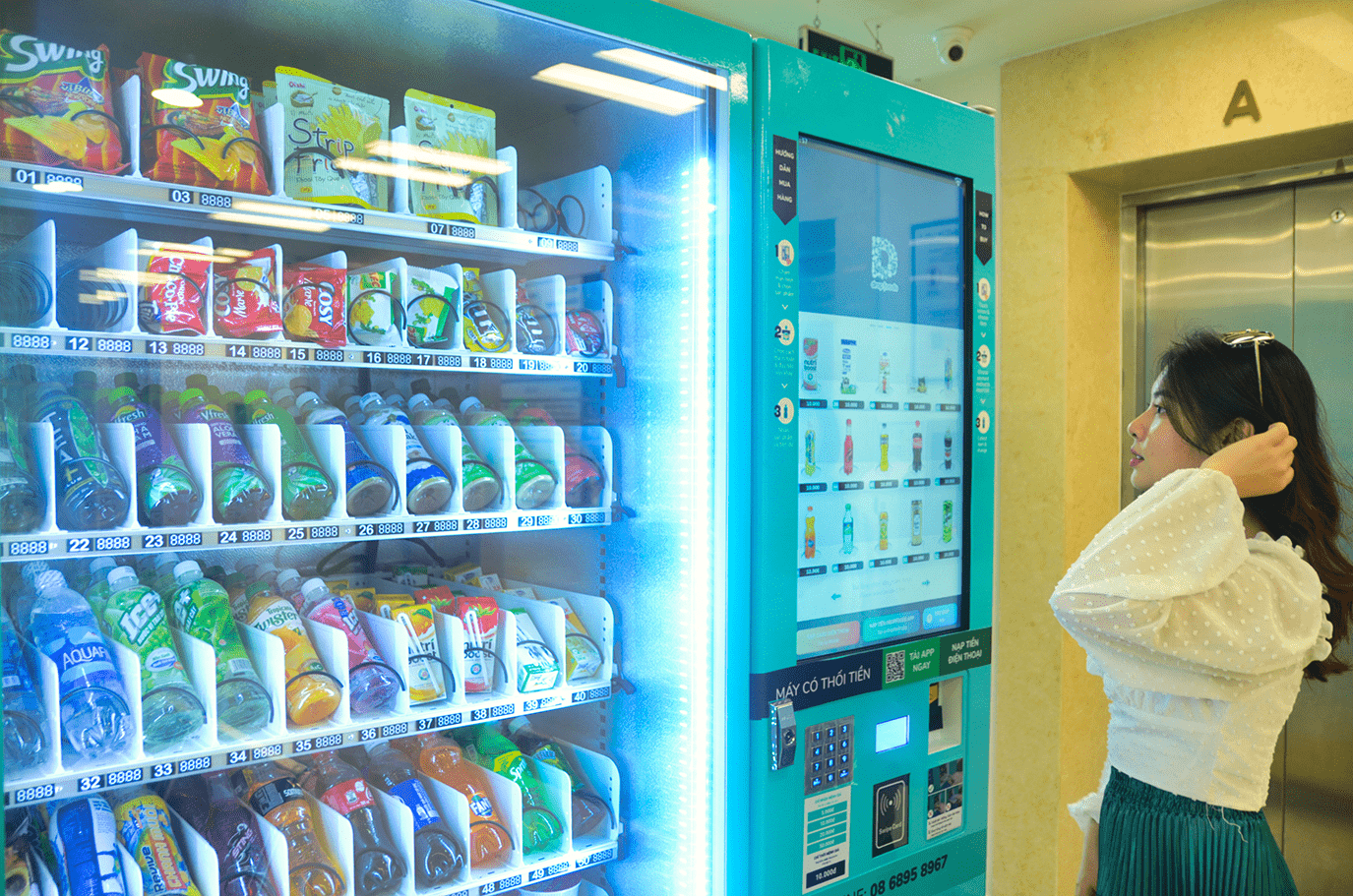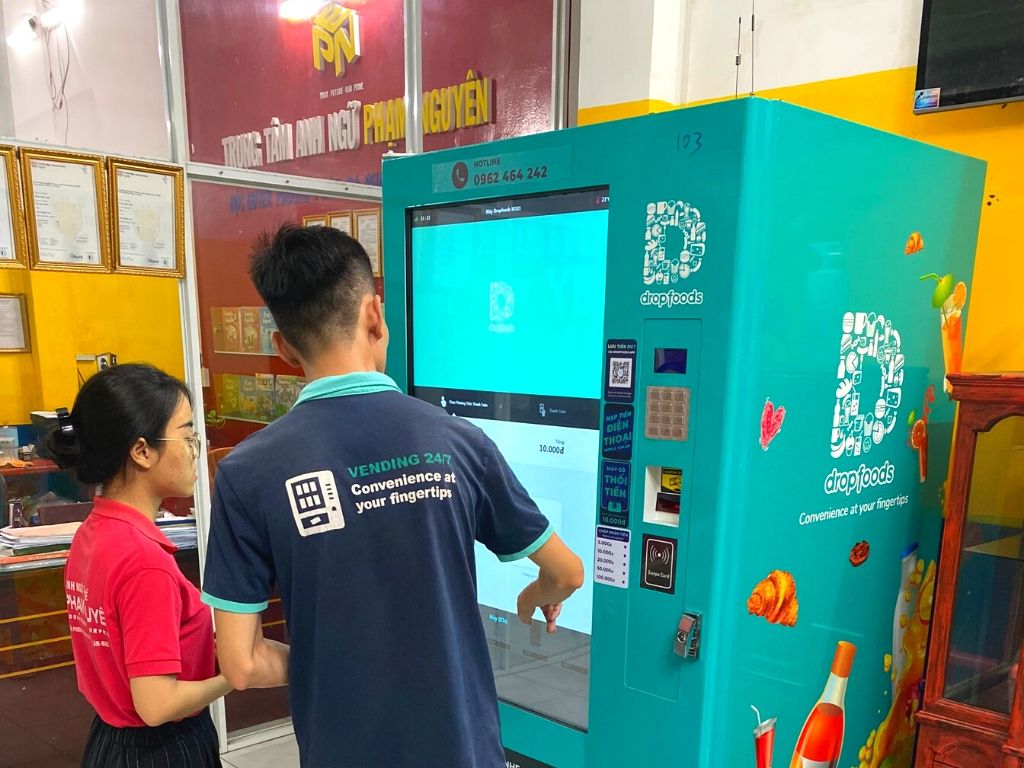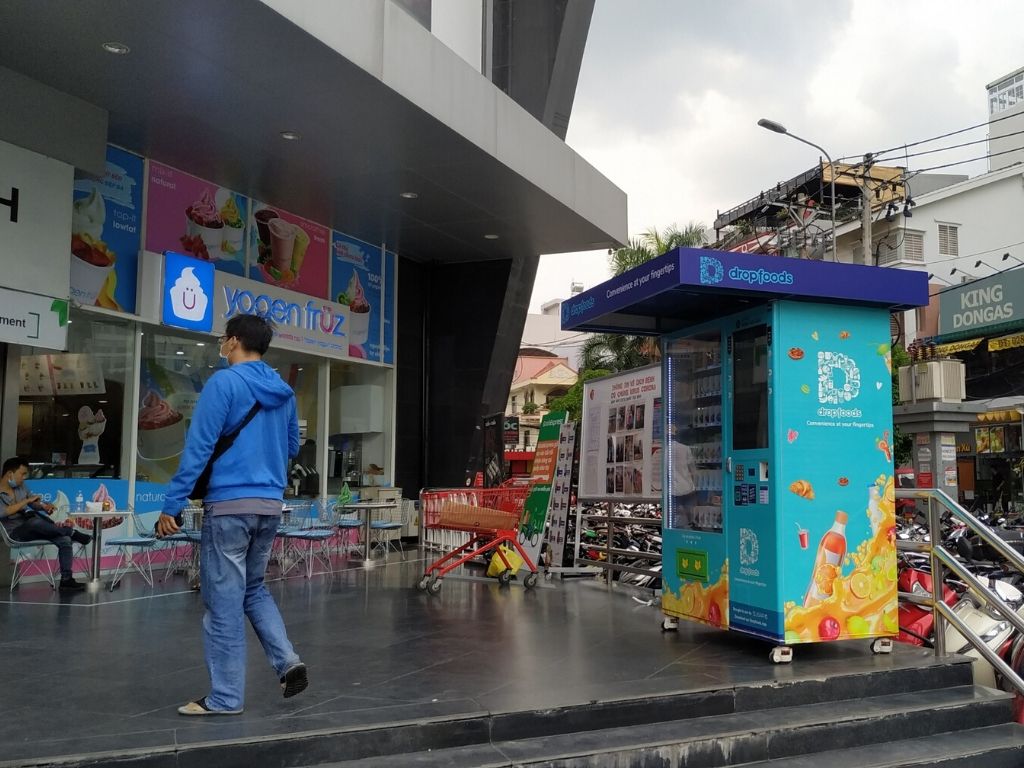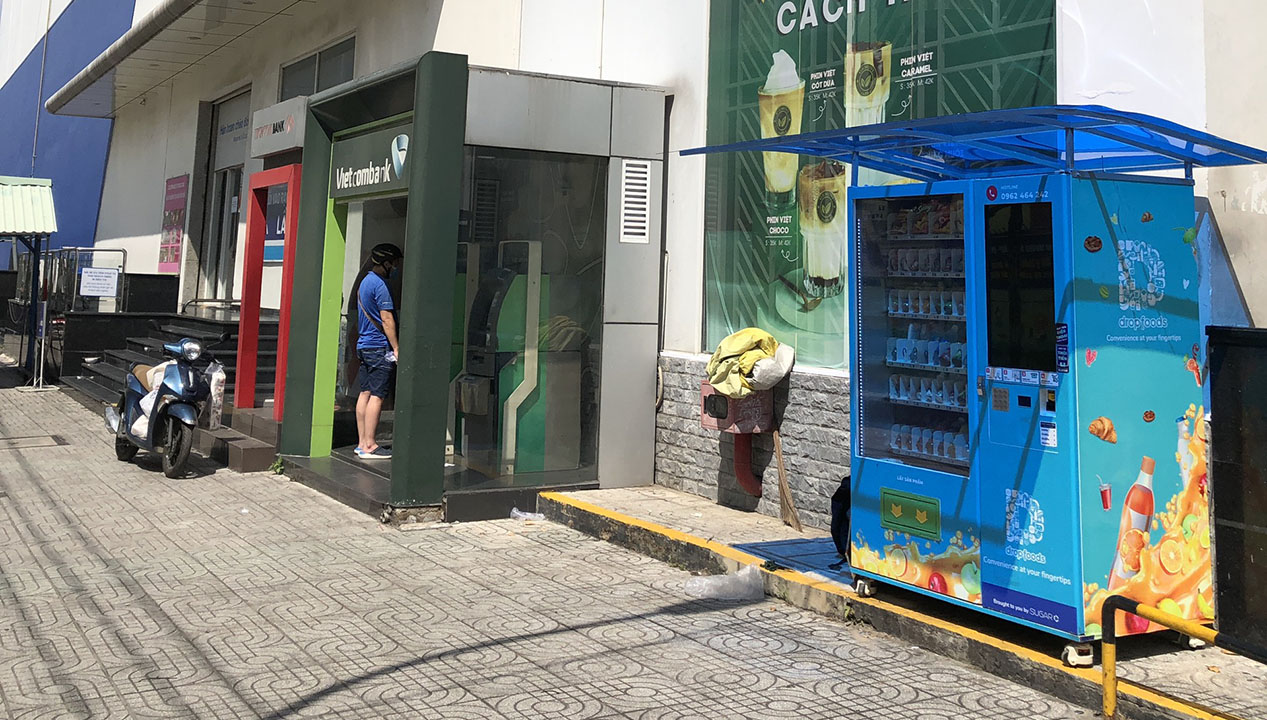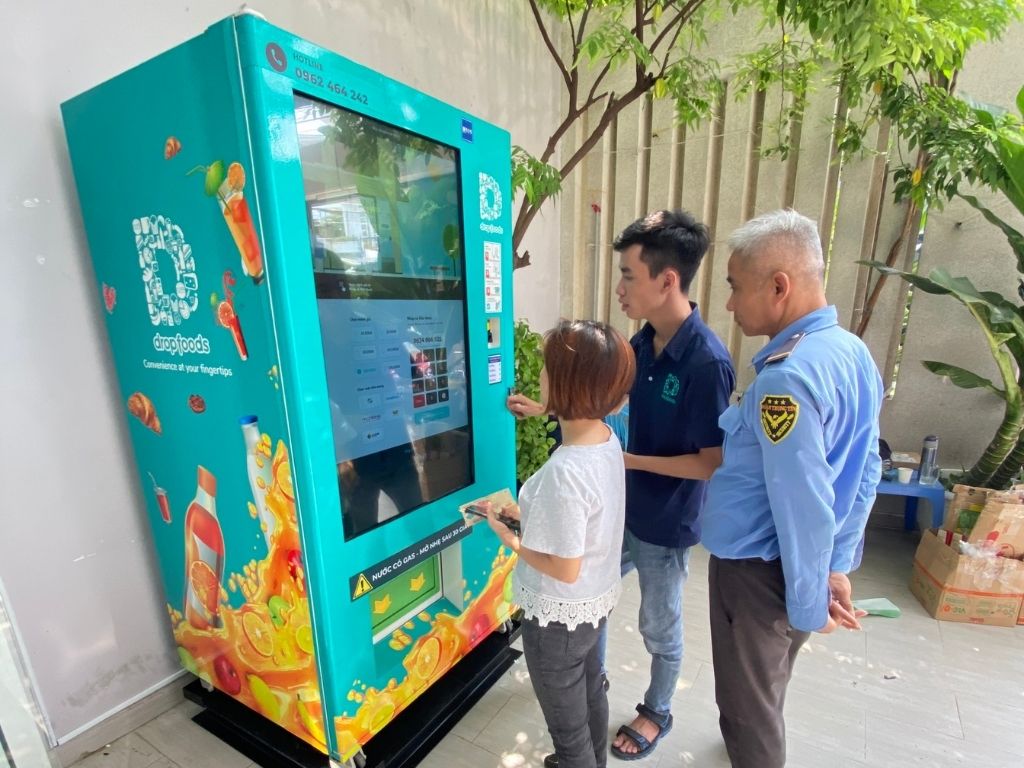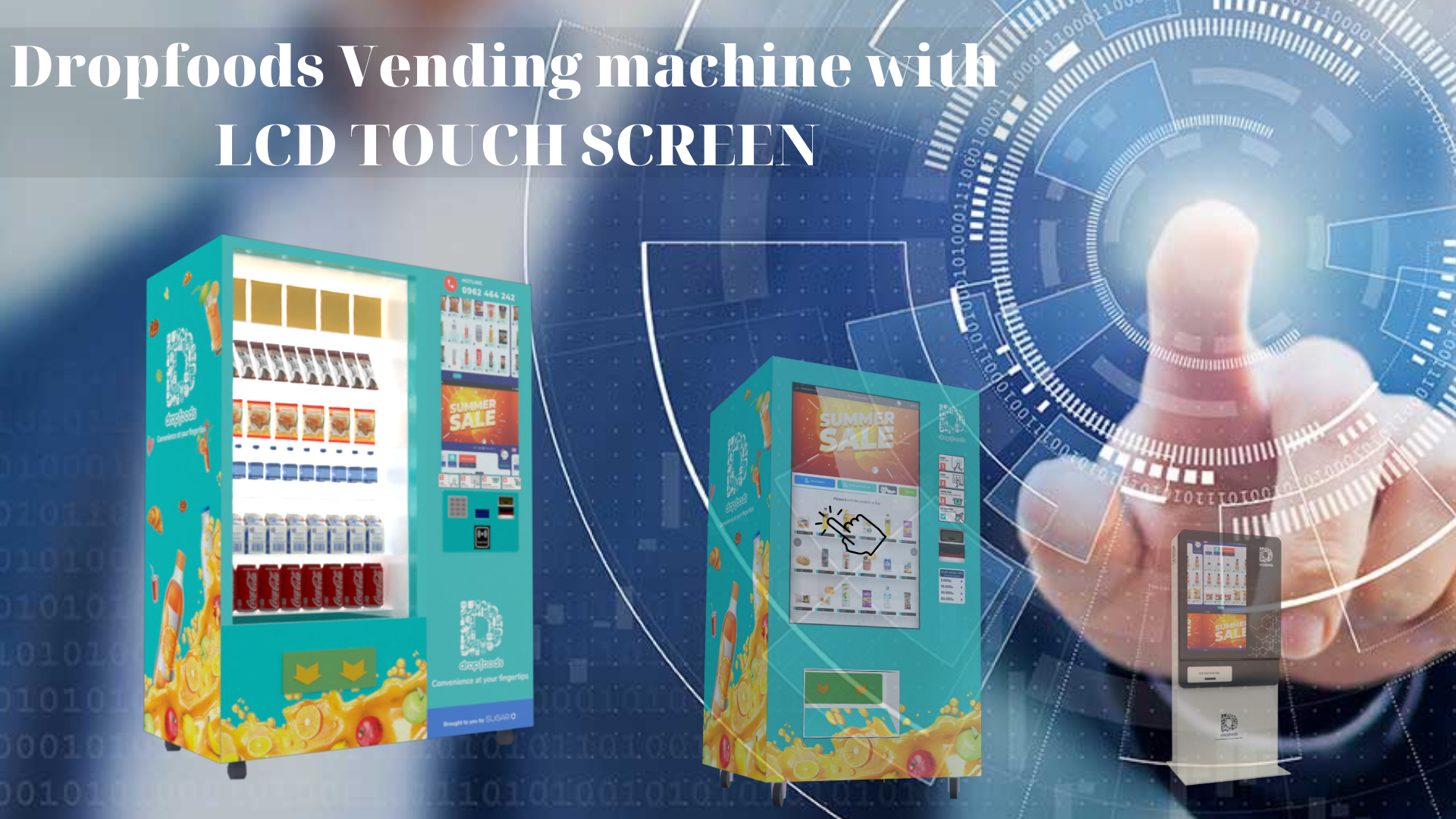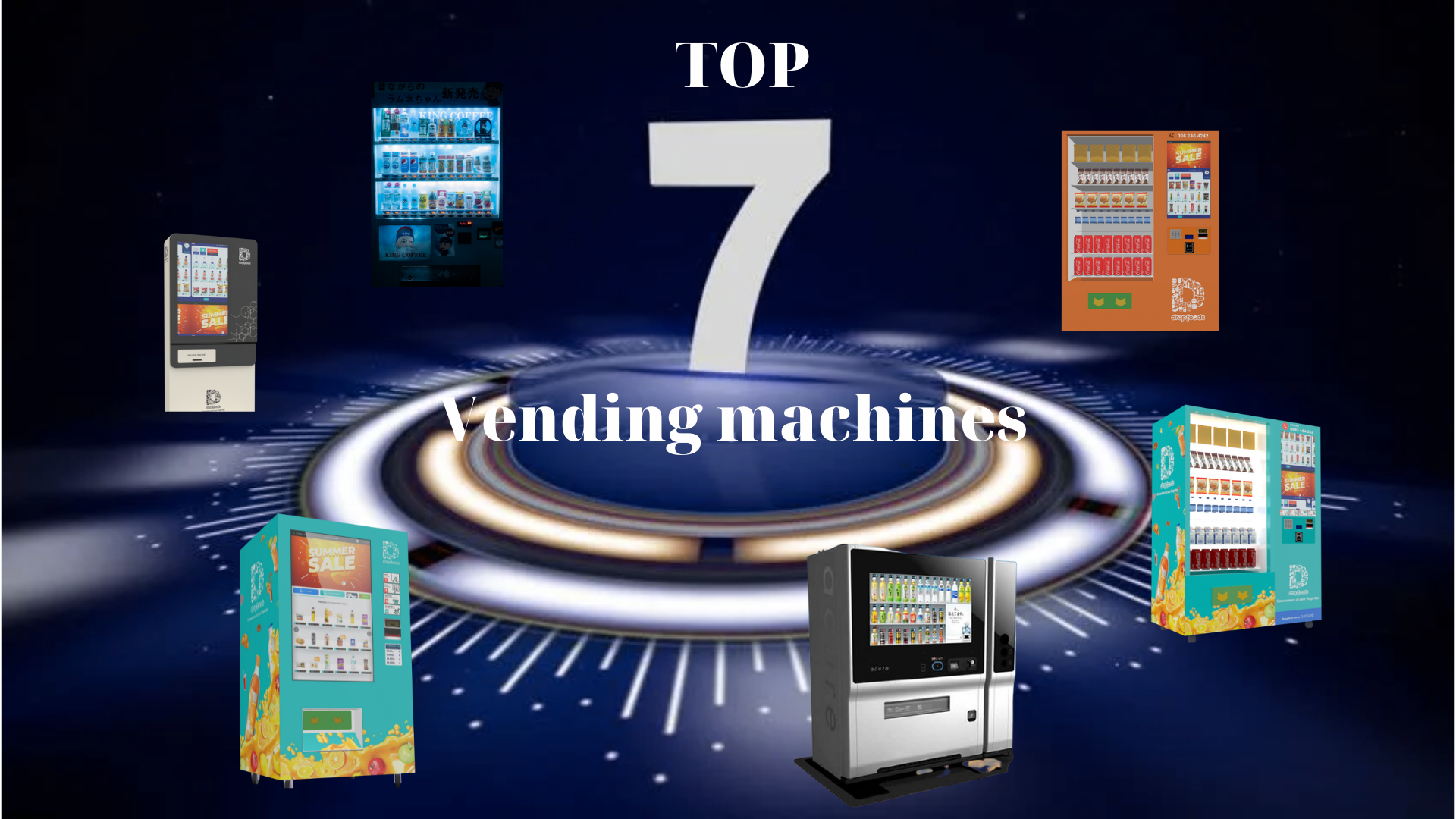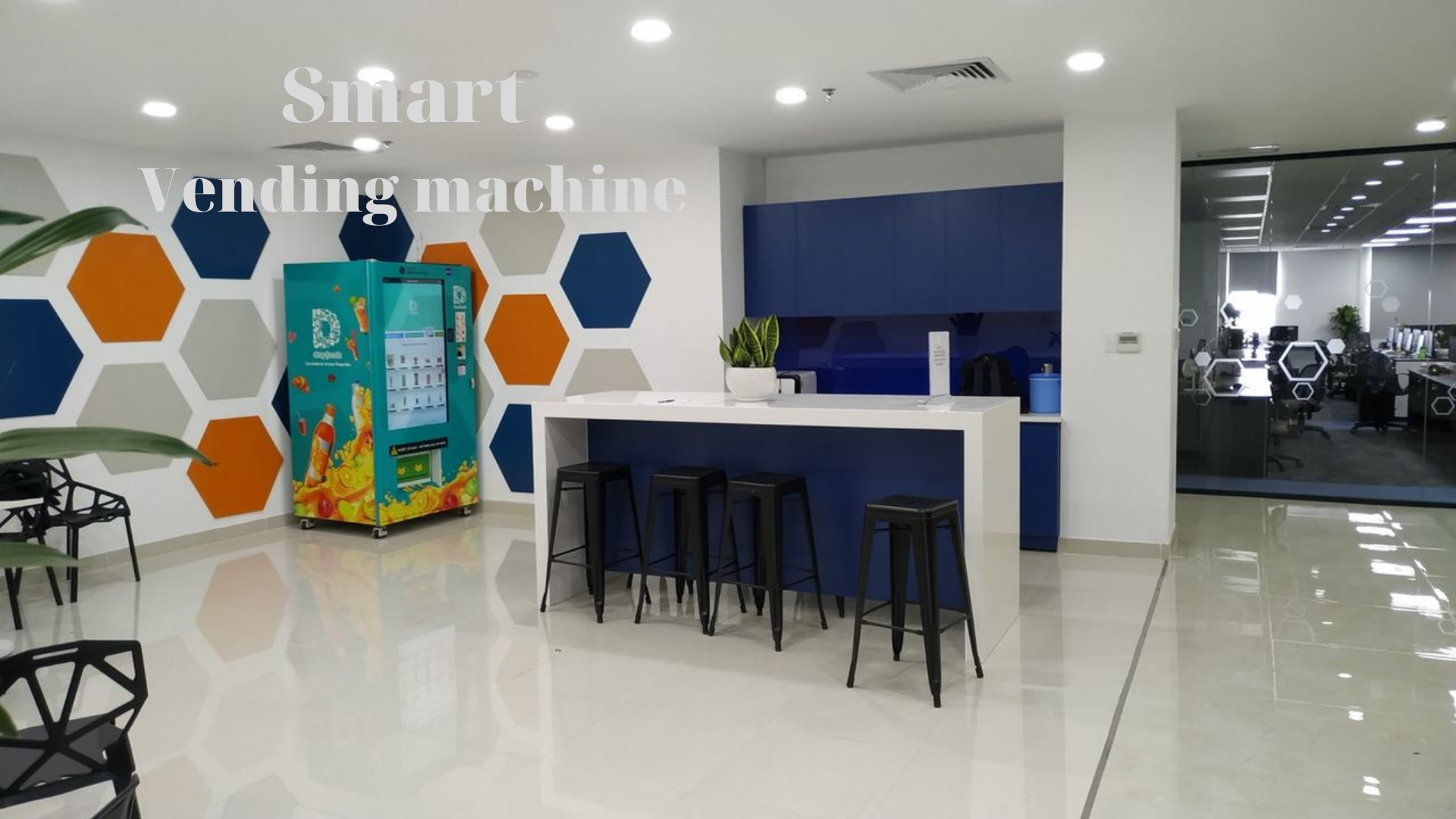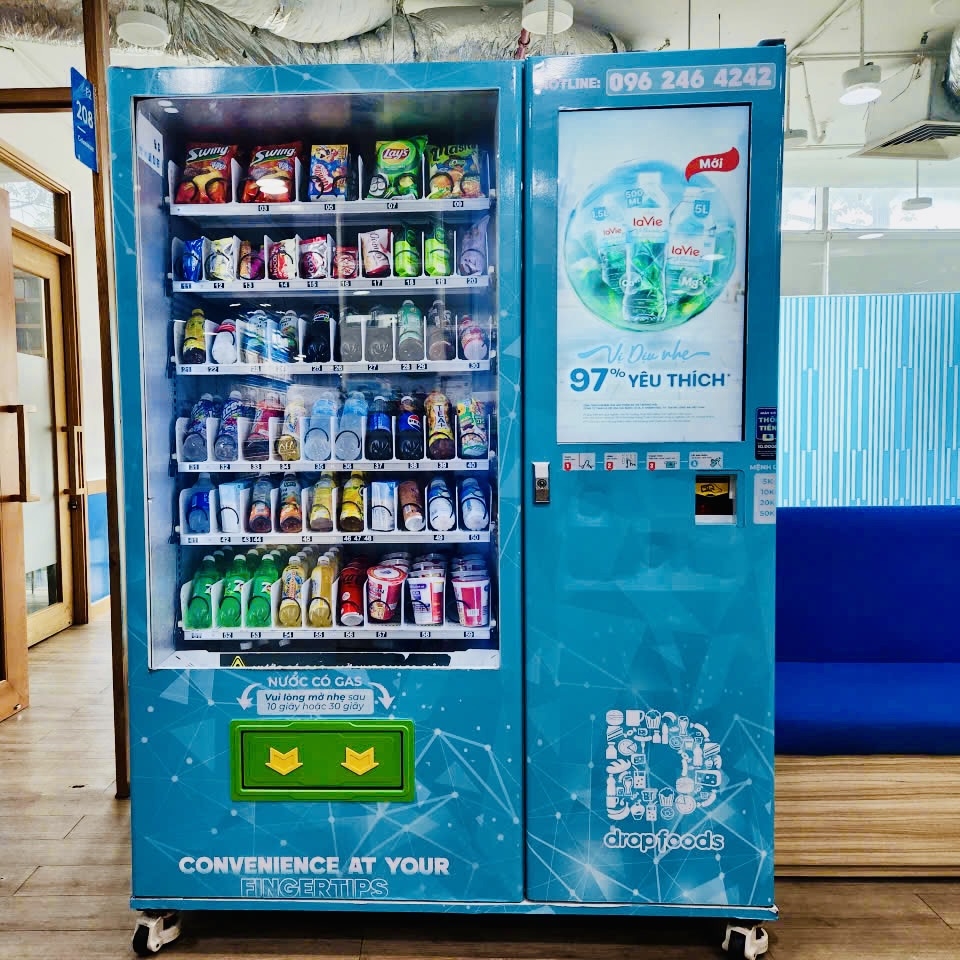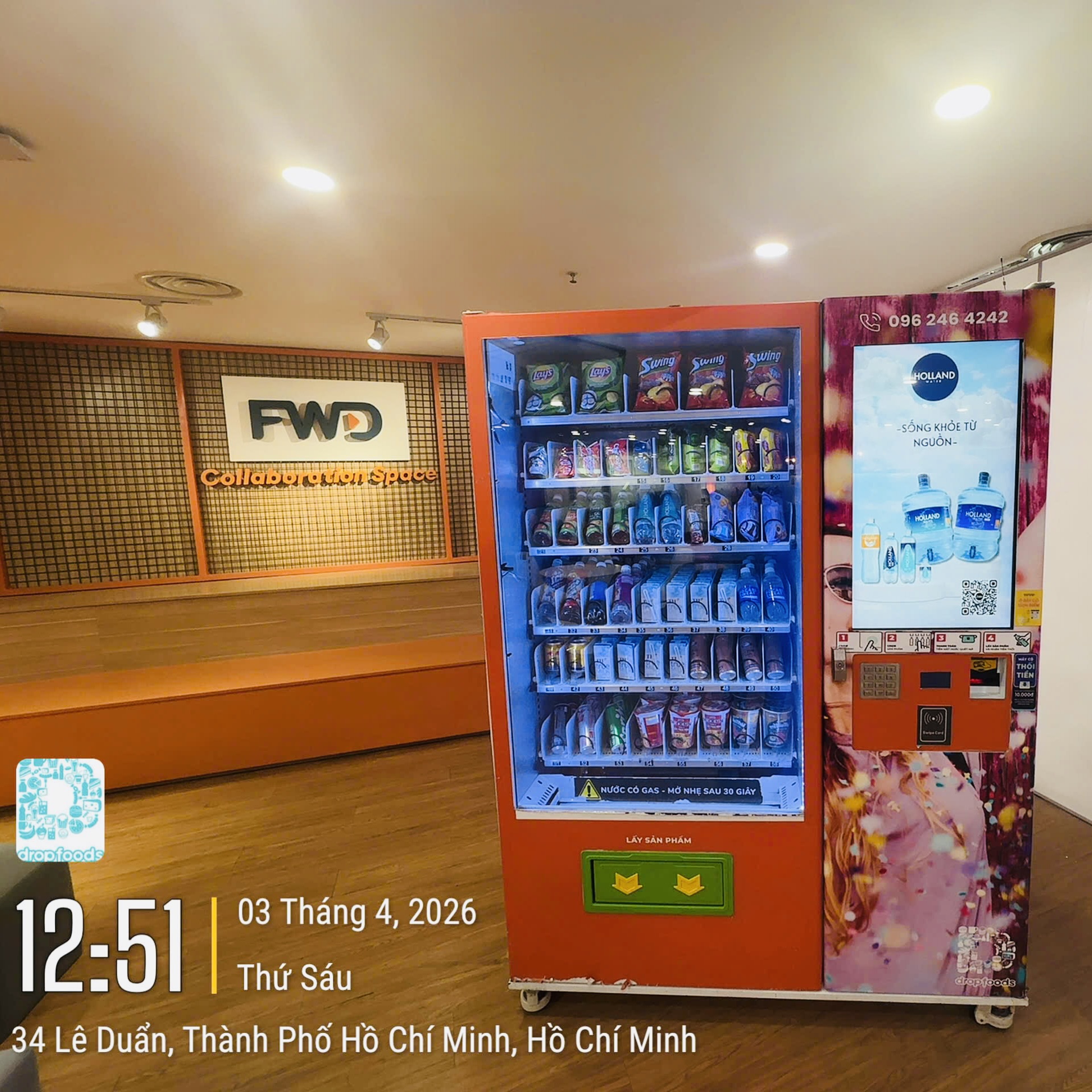
Gen Z is not only "online". They still buy water, snacks, milk, coffee and everyday essentials in very specific moments: before class starts, during breaks, at lunch or at the start of the afternoon session. Dropfoods' Education Cluster lets brands reach this group right at the point of purchase, through DOOH screens tied to real transactions — and, more importantly, know exactly when they buy.
1. Why campuses are a strong cluster for FMCG
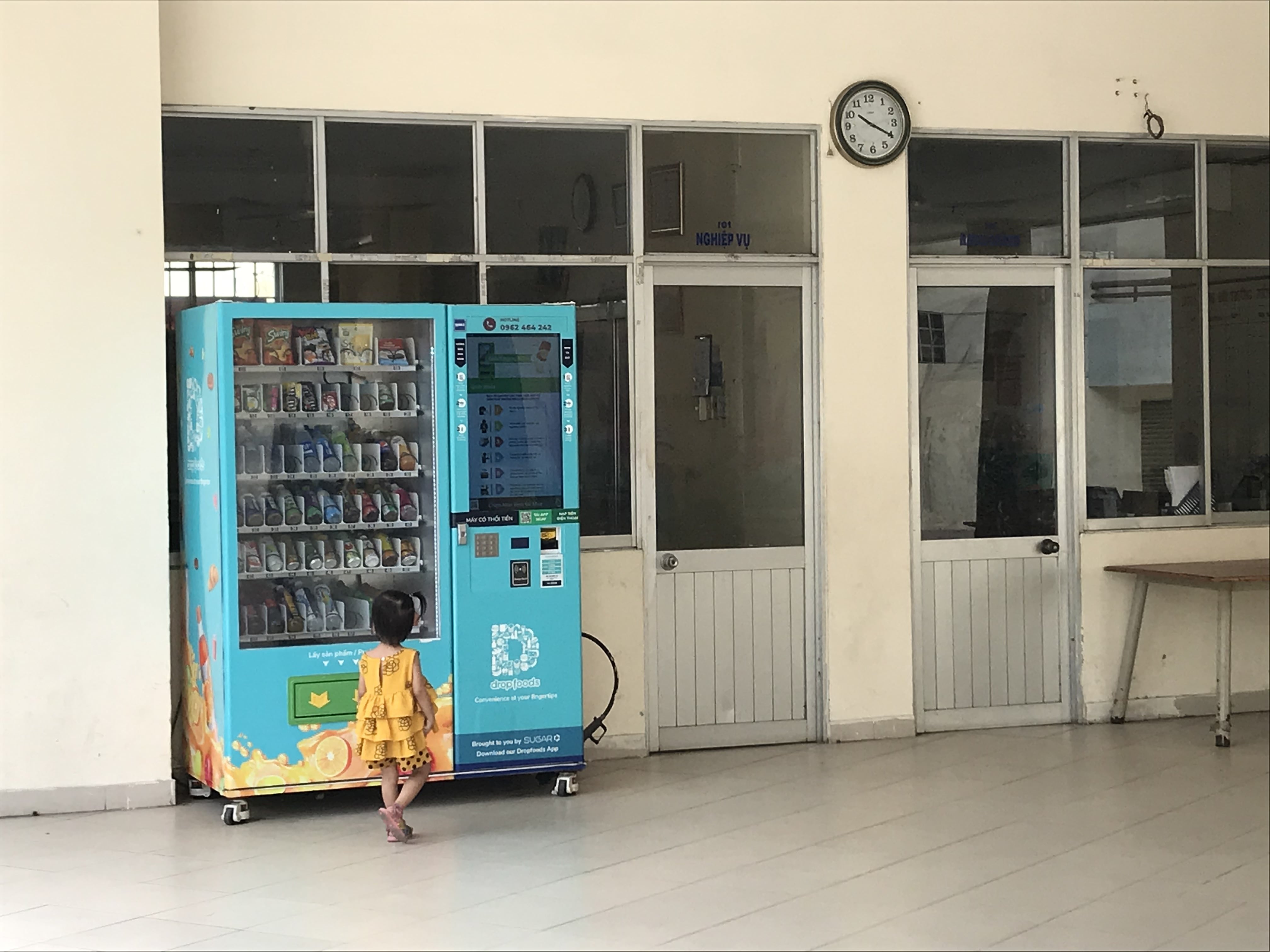
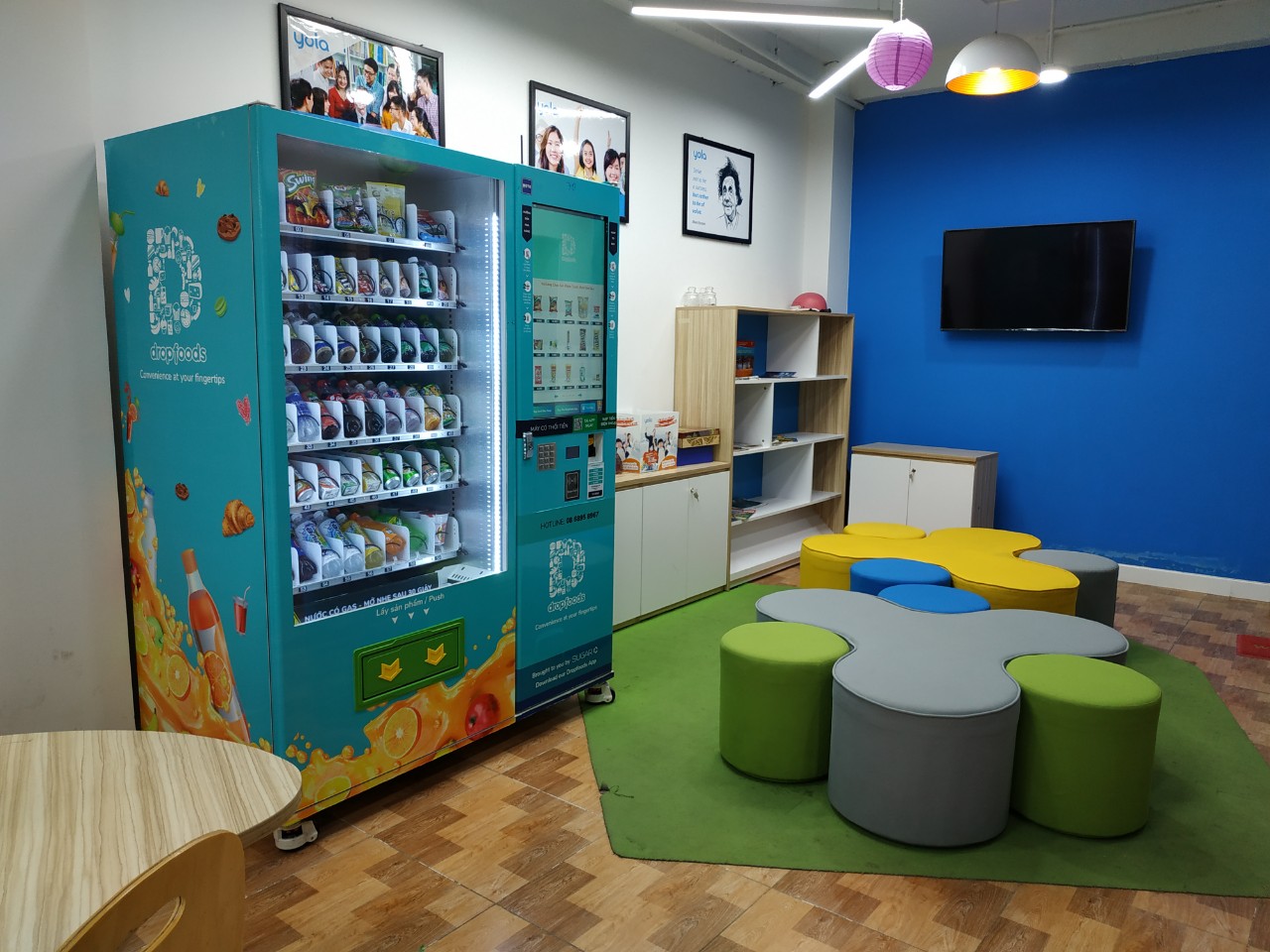
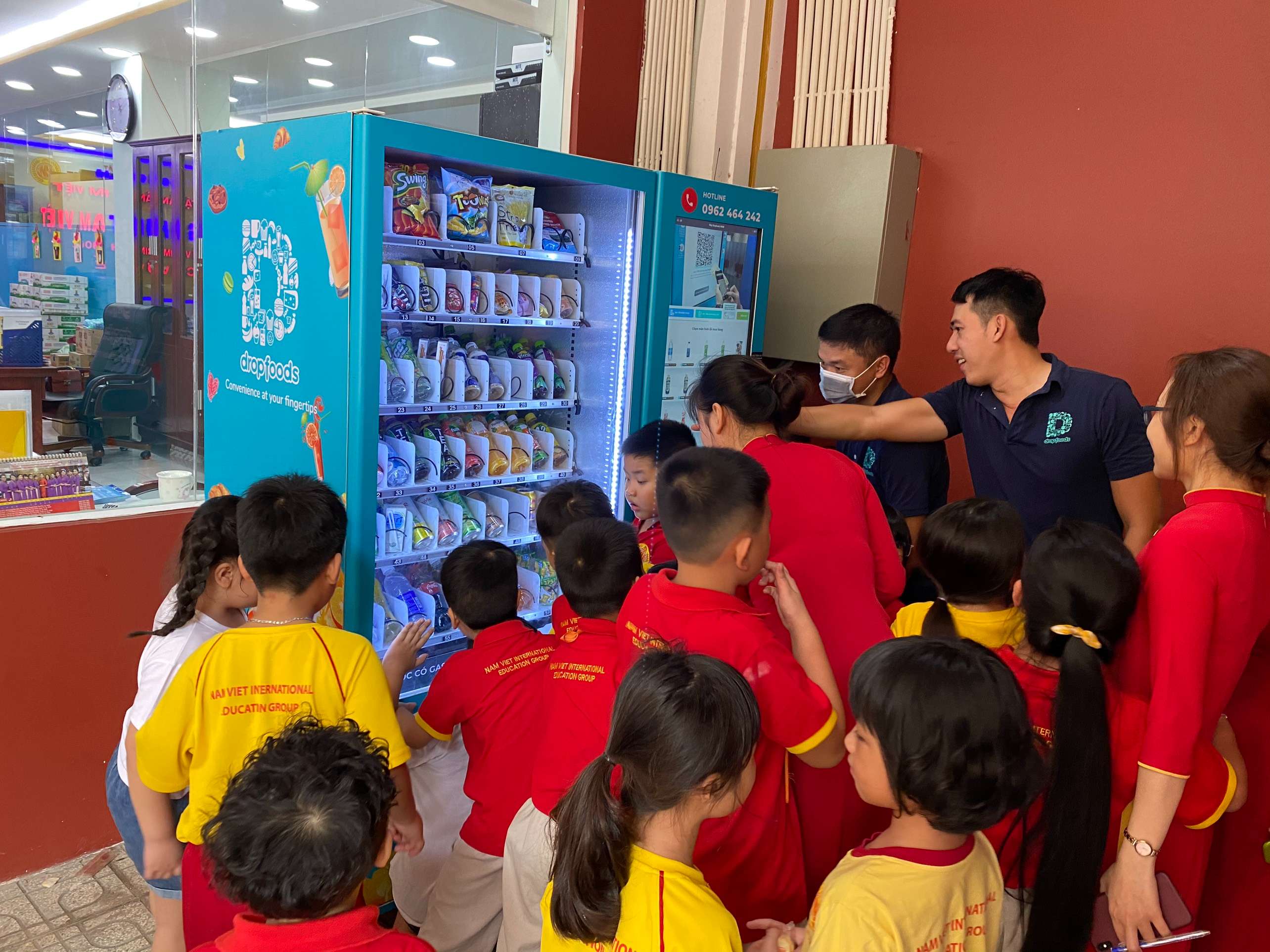
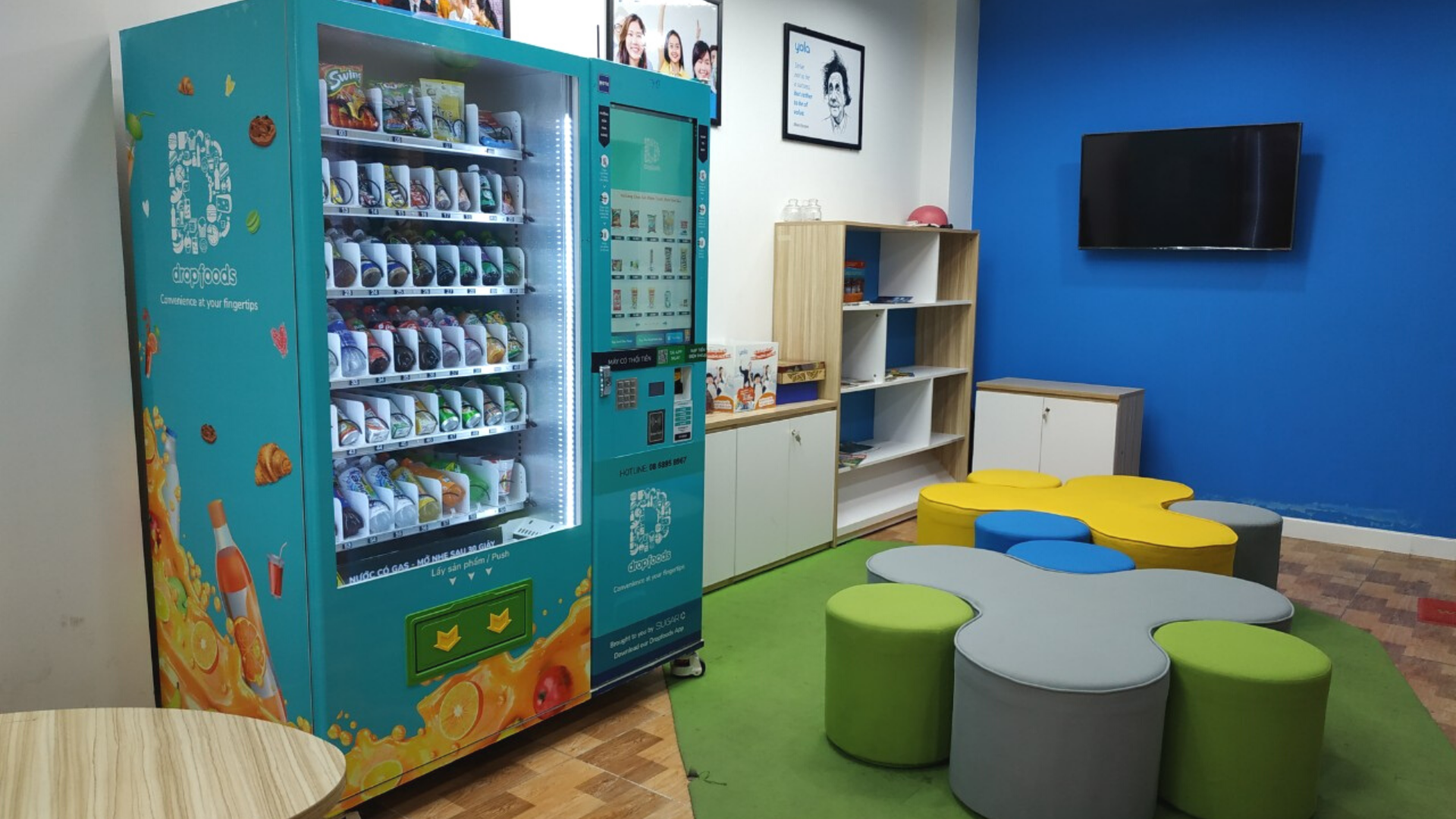
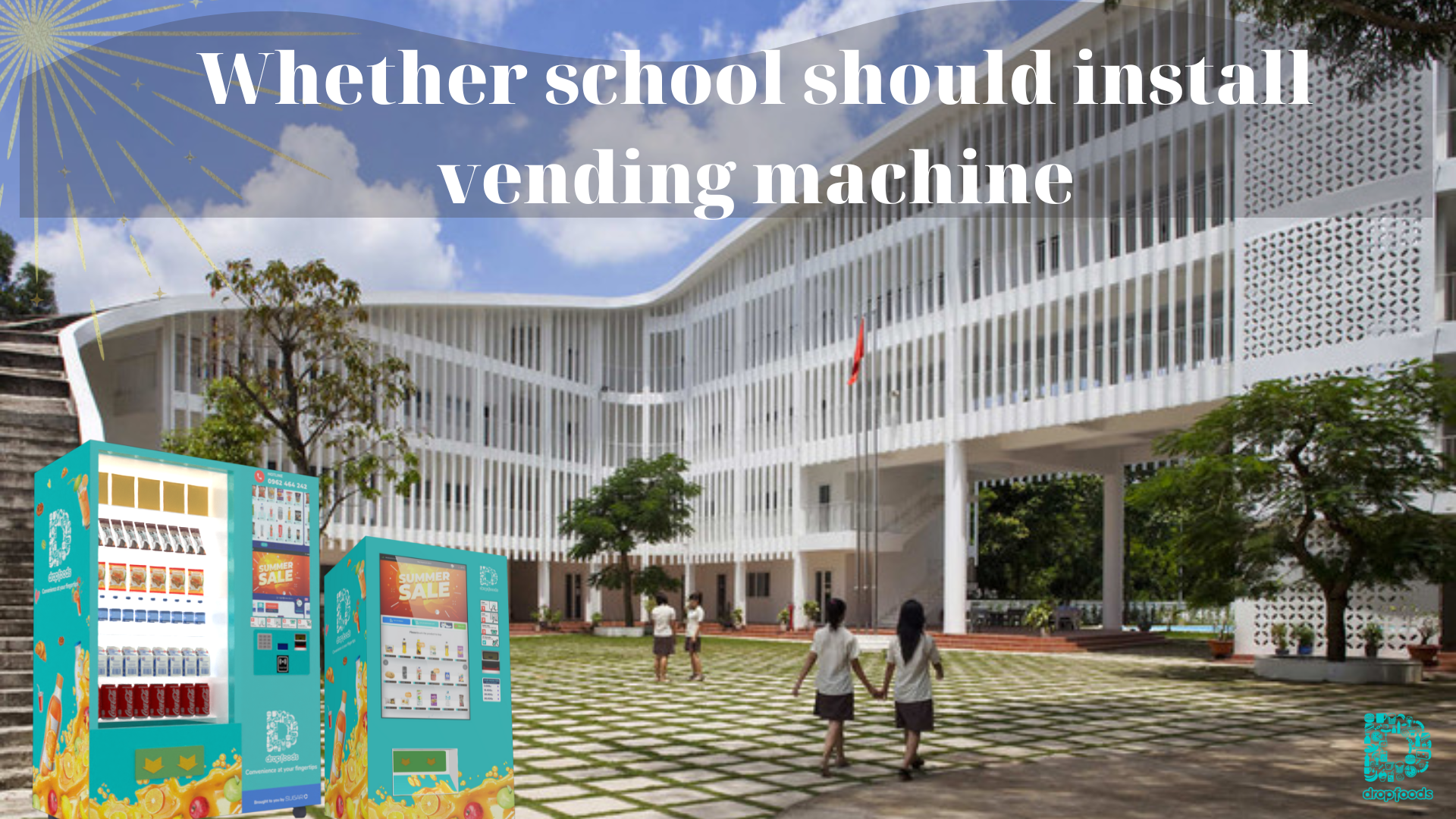
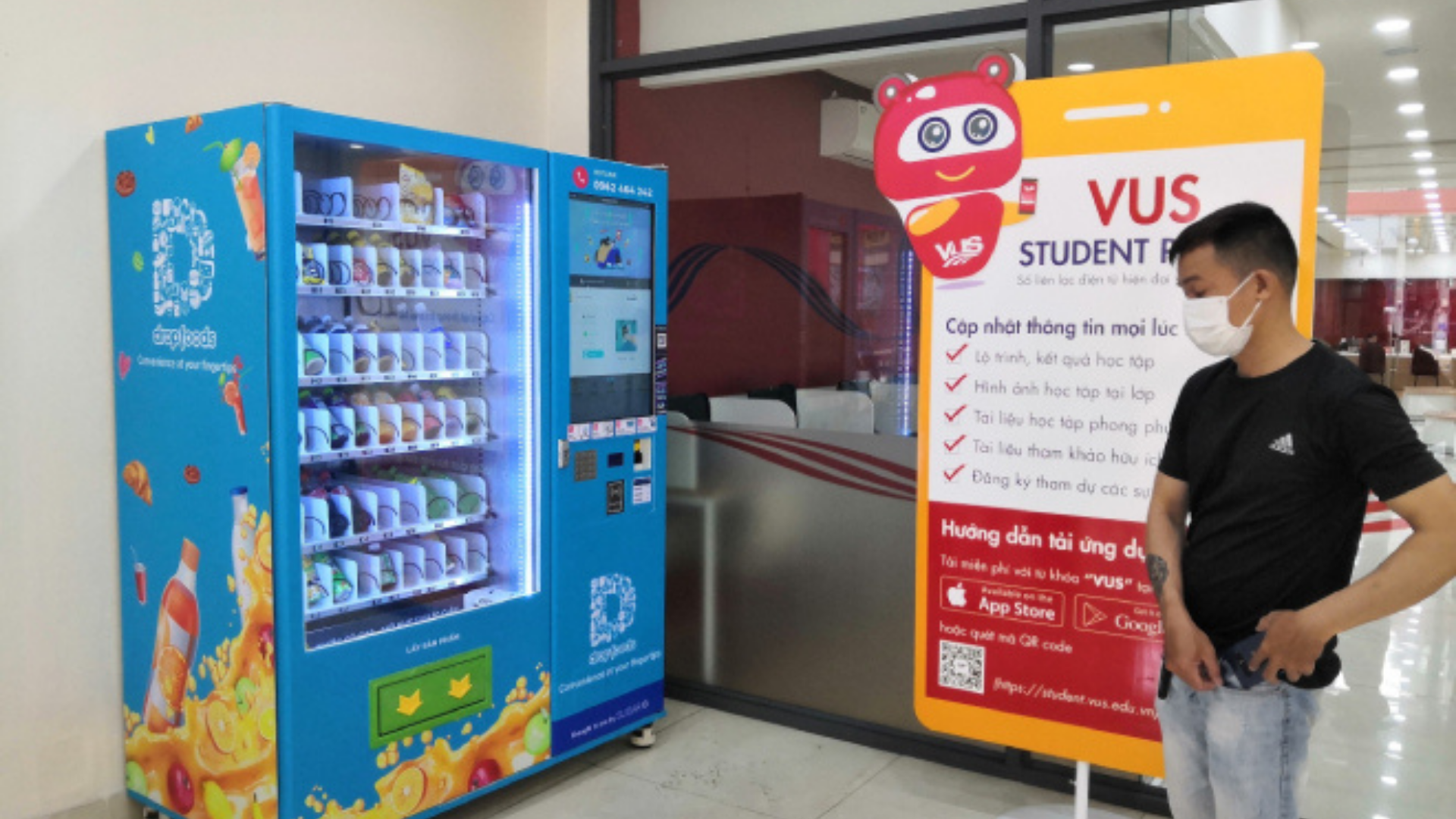
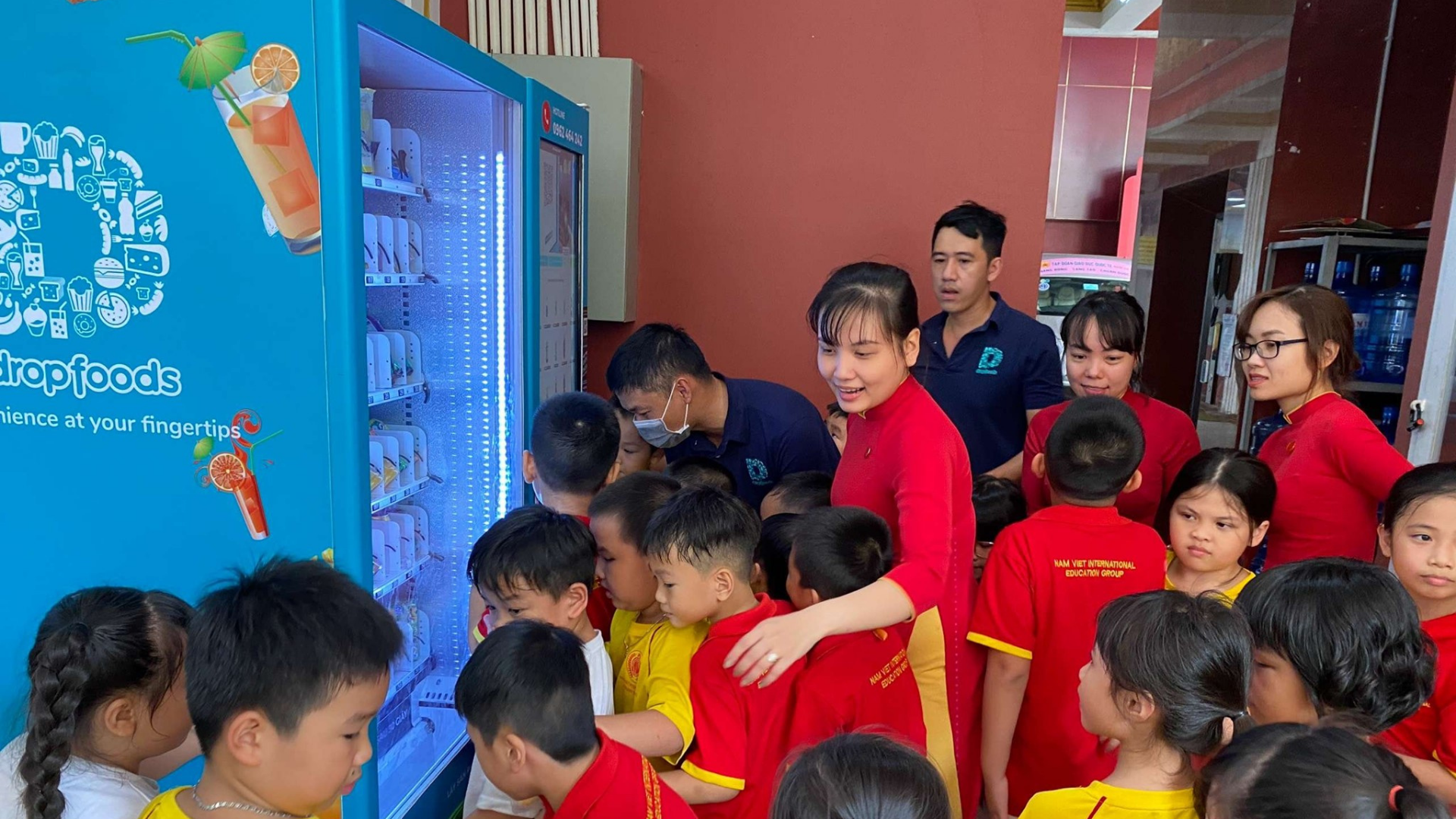
Nearly half of the Dropfoods network (~48%) sits inside schools, universities and English centres — the largest cluster in the system.
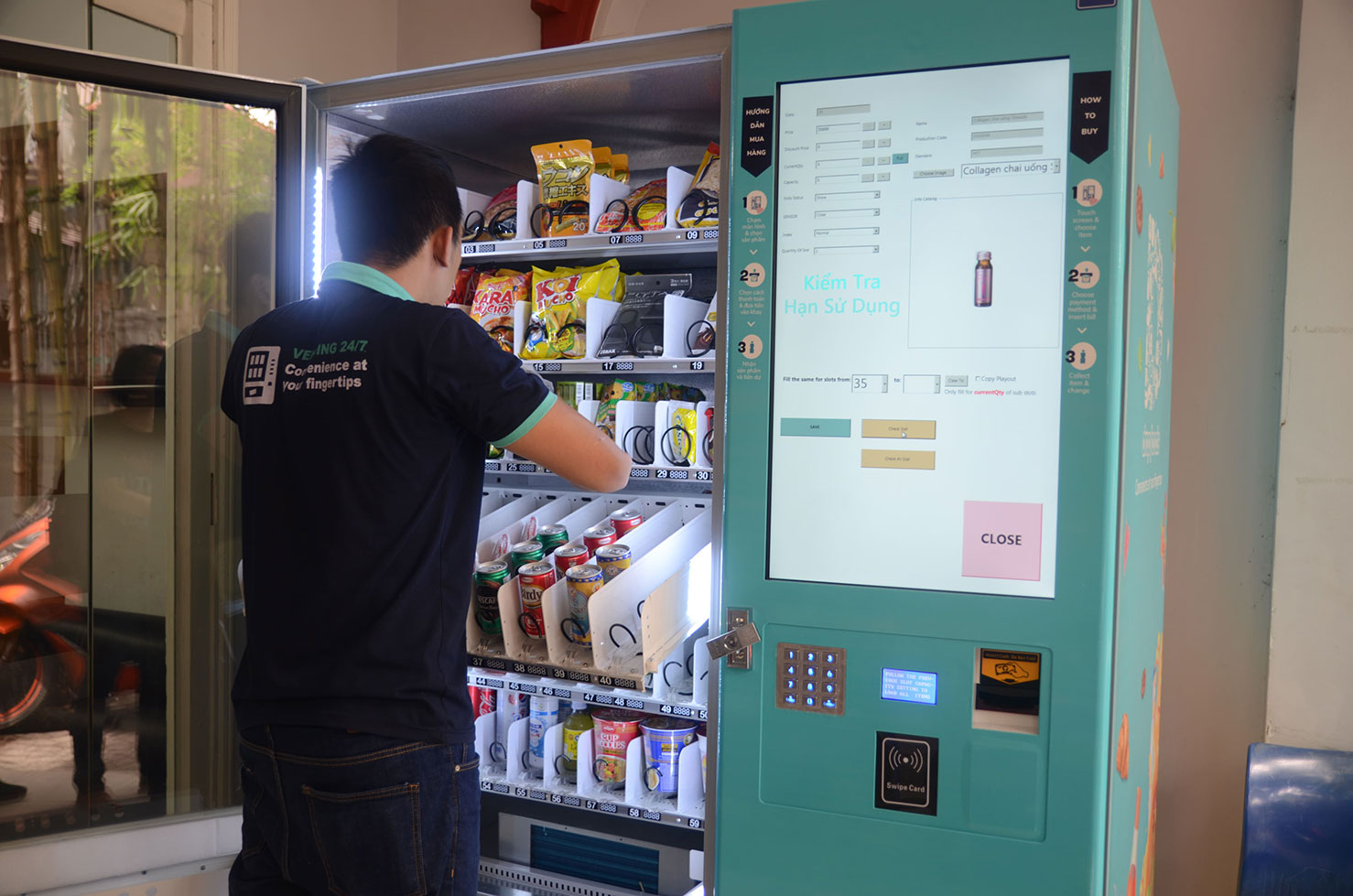
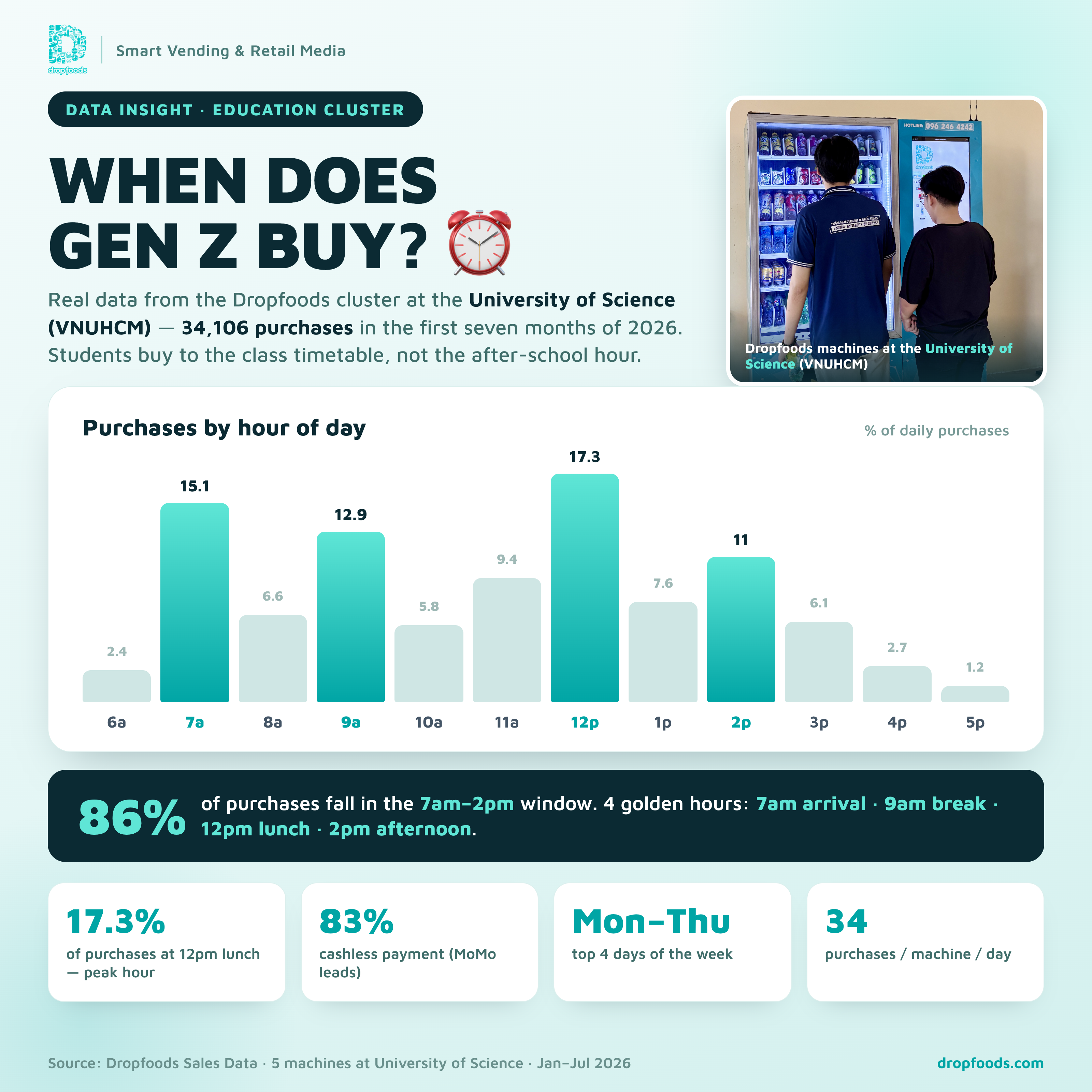
Unlike digital advertising that only measures clicks, smart vending adds real transaction data at the machine. Brands can see which products sell, which time slots are strongest, and which clusters respond better after a campaign runs. The data below is drawn from the Dropfoods cluster at the University of Science (VNUHCM) — 34,106 purchases across the first seven months of 2026.
Insight: Gen Z buys to the rhythm of the class timetable, not the after-school hour
86% of purchases fall within the 7am–2pm window, with four peaks: 7am (arrival), 9am (mid-morning break), 12pm (lunch) and 2pm (start of the afternoon session). Contrary to popular belief, the 3pm–4pm "after class" slot is actually low. For brands, this determines exactly when creative should go live to land at the moment of real demand.

2. Behavioural profile of the Education Cluster
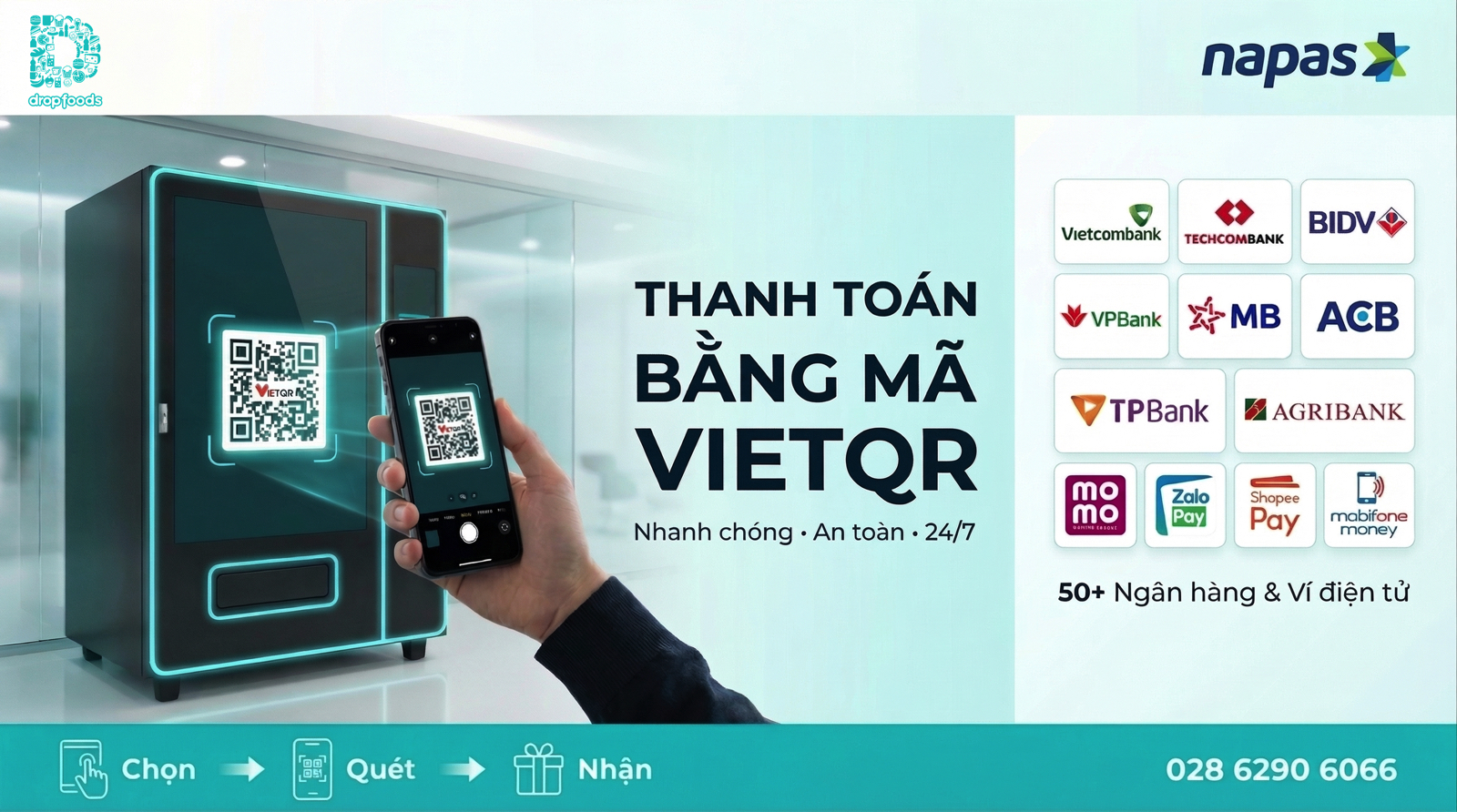
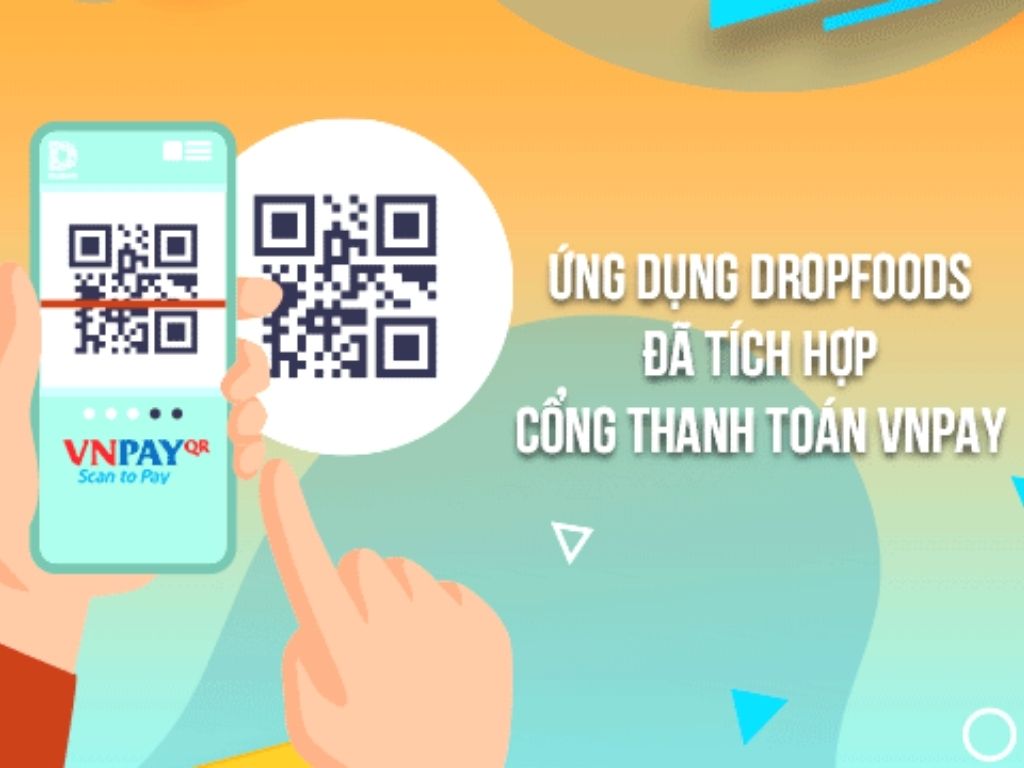
Purchase times track the class timetable closely: the biggest peak is 12pm lunch, followed by 7am (arrival), 9am (mid-morning break) and 2pm (start of the afternoon session). Weekends drop sharply versus weekdays. Cashless payment accounts for 83% (MoMo leads, followed by VNPAY and NAPAS) — this Gen Z audience is genuinely digital-native. For beverage, snack or youth-focused app brands, these are moments of real demand that convert easily into trial.
3. Which brands should choose EDU?
| Brand category | Use case | Suggested format |
|---|---|---|
| Soft drinks, tea, coffee | Fast trial, buy on the spot, measure purchase uplift | DOOH Type A |
| Snacks, confectionery | Impulse purchase between classes | Type A + combo promotion |
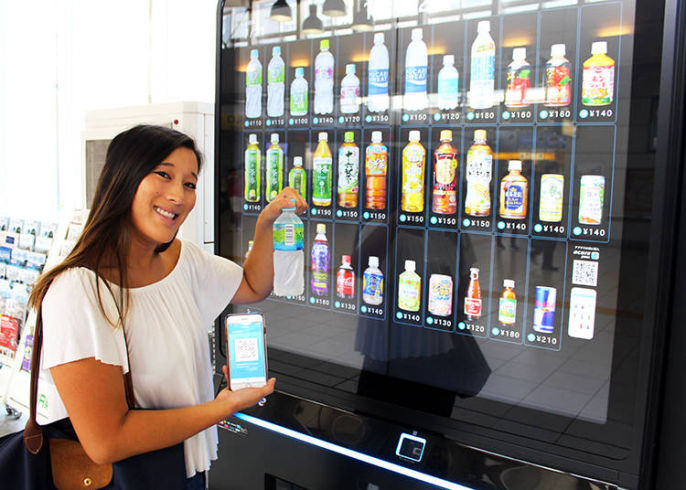
| Apps, e-wallets, ed-tech | Lead-gen or QR traffic to a landing page | Type B interactive |
| Lifestyle / youth brands | Repeated awareness across campuses and English centres | Video DOOH + QR offer |
4. How to design a Gen Z pilot
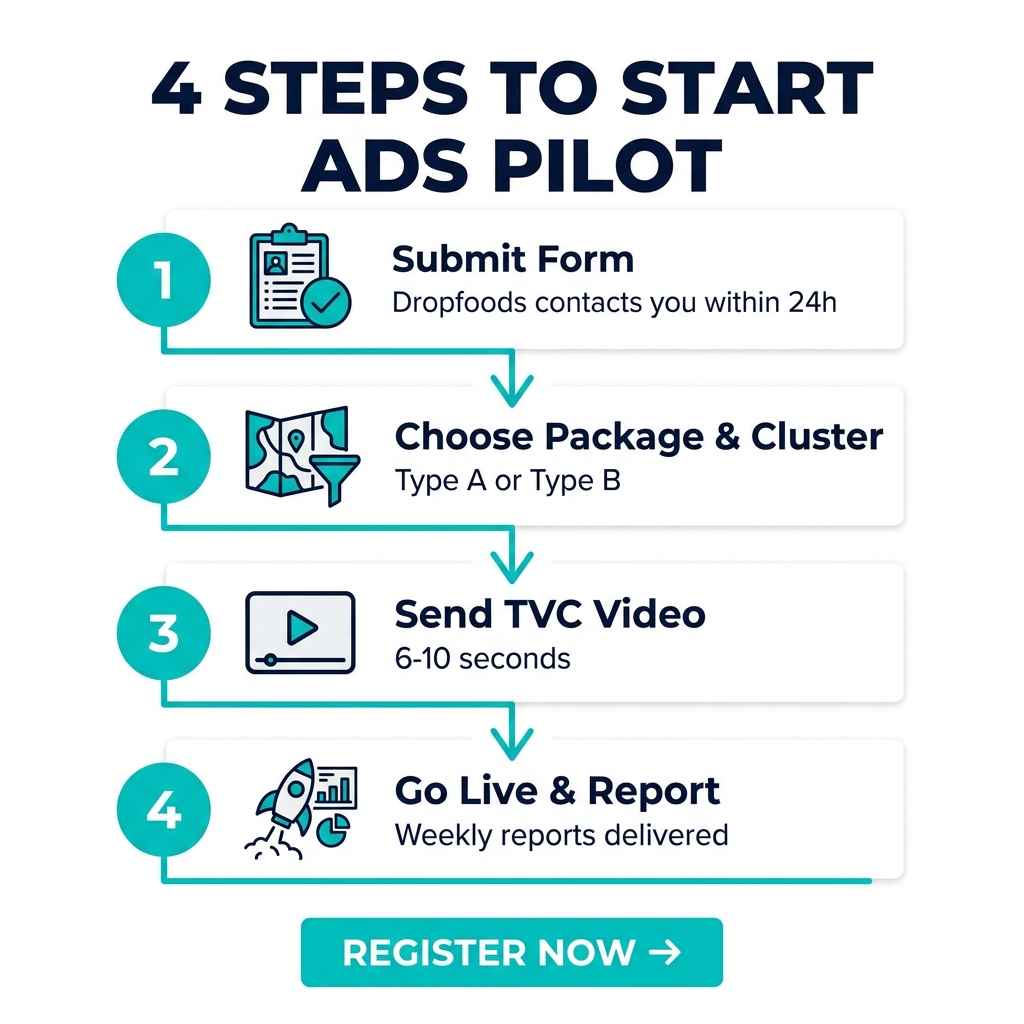
Messaging should be short, direct and action-oriented: try the product, scan for an offer, answer a quick survey, or claim a sample. With smart vending, the best pilots include one concrete offer that can be measured: a product sold at the machine, a QR coupon, or a lead form.
On media mix, EDU works well alongside OFFICE or COMMERCIAL when a brand wants to extend from young trial into after-hours or weekend purchase. For a fast product-market-fit test, 10–20 EDU machines over 2–4 weeks is enough to read the first signals.
5. Read reporting by cluster, not just campaign totals
For multi-cluster campaigns, don't look only at total impressions. Brands should break EDU out on its own: which products sell best, which hours peak, which machines see the highest interaction, and which creative drives purchase most clearly. This is how a Gen Z campaign moves from "just being present" to a test backed by data.
Want to test a Gen Z campaign?
Dropfoods helps you select EDU machines, offer formats and KPIs by category. Get in touch for a shortlisted cluster.
Talk to usContact Dropfoods Vietnam
Address: 34 Le Duan, Sai Gon Ward, Ho Chi Minh City (Mon–Fri: 8:30 am – 5:30 pm)
Hotline: (84) 028 6290 6066
Email: contact@dropfoods.com
Facebook: facebook.com/maybanhangdropfoods
Website: dropfoods.com | dropfoods.com.vn