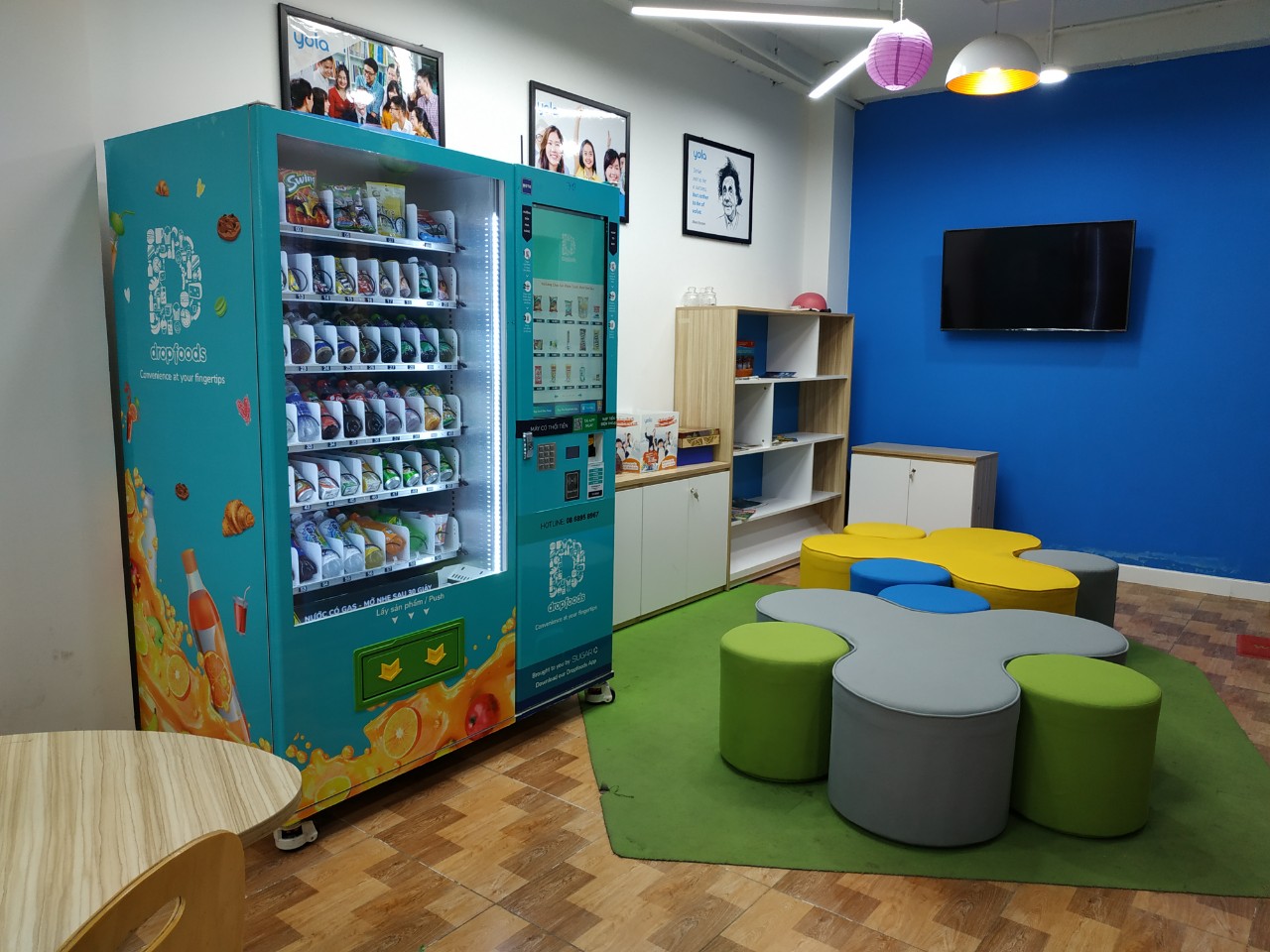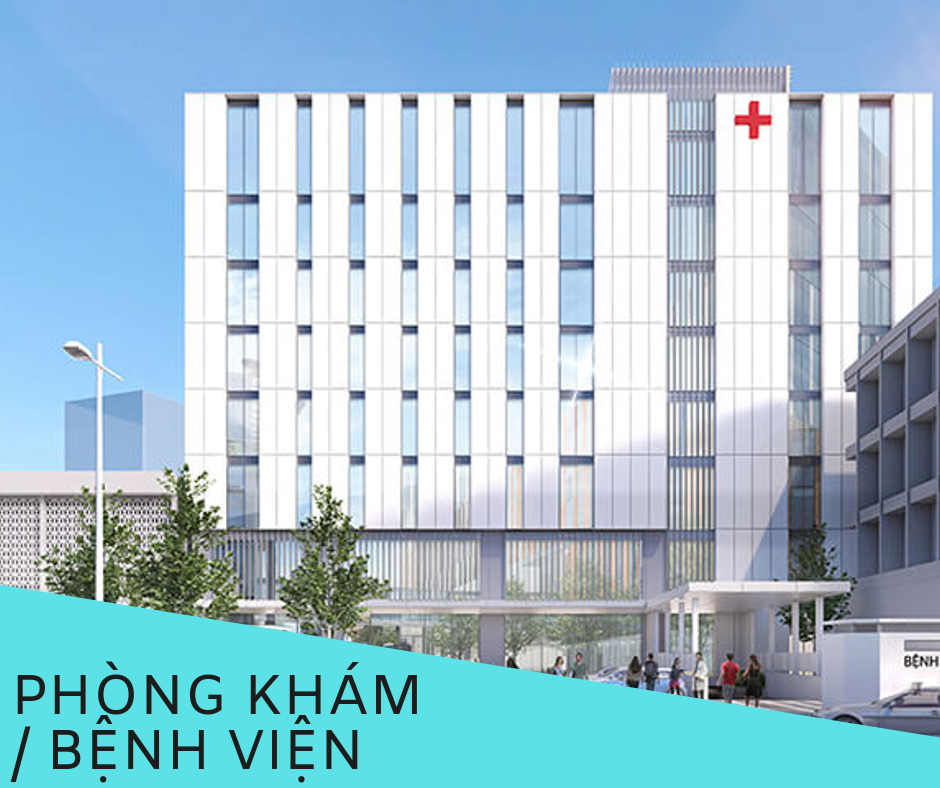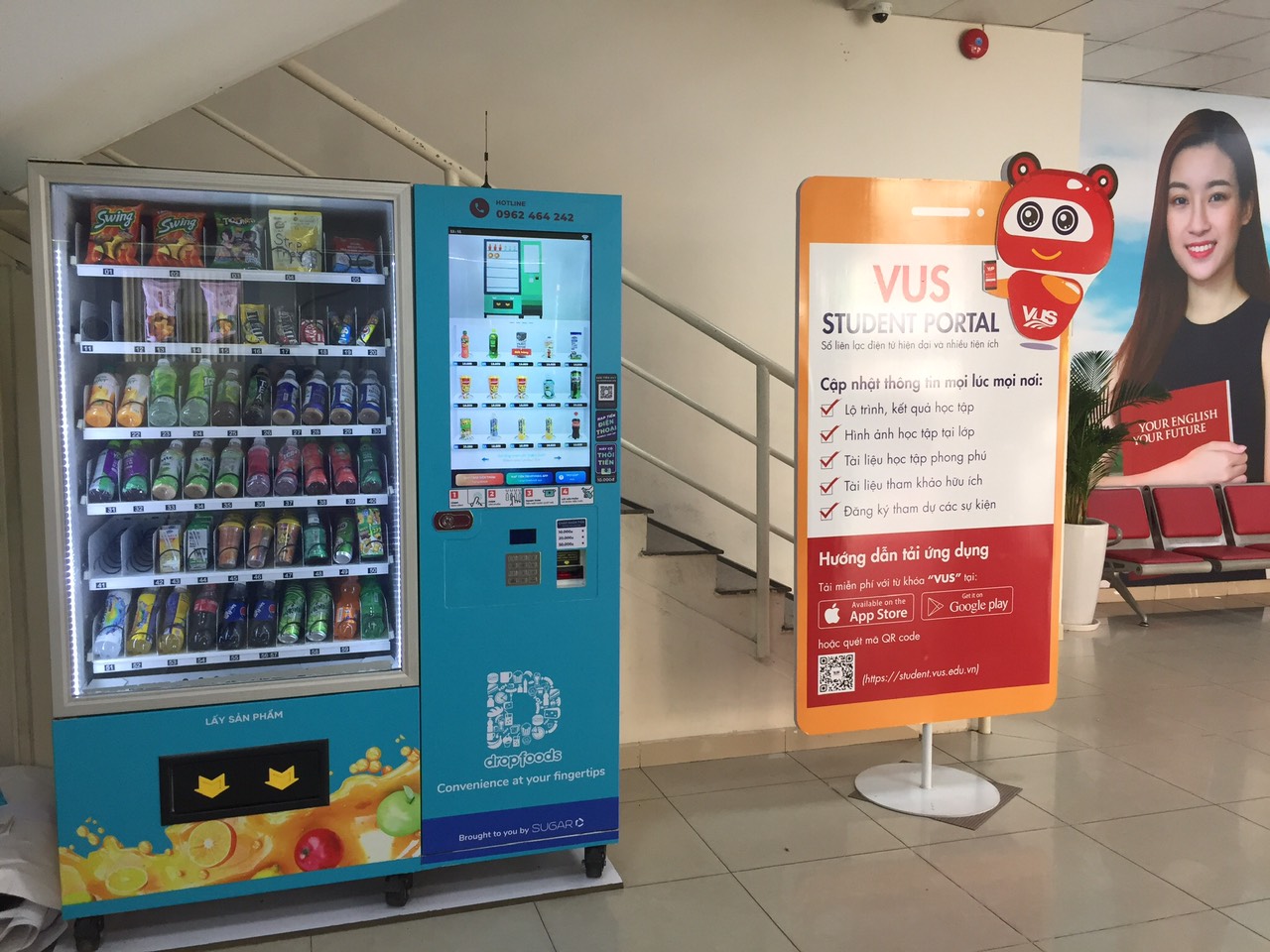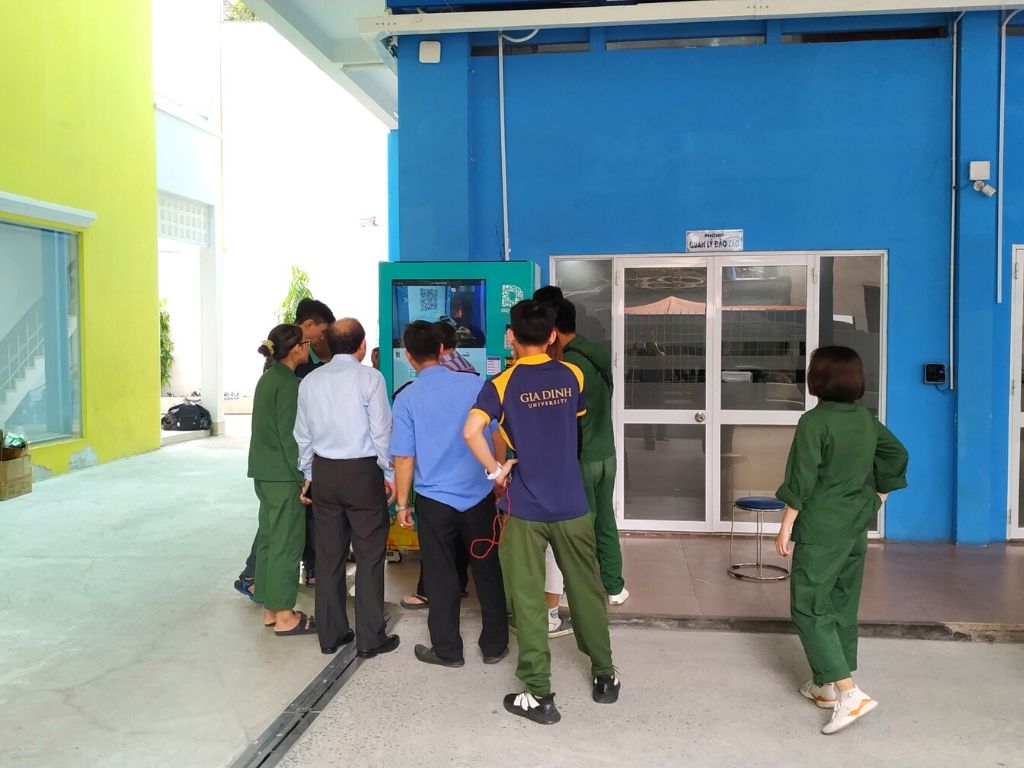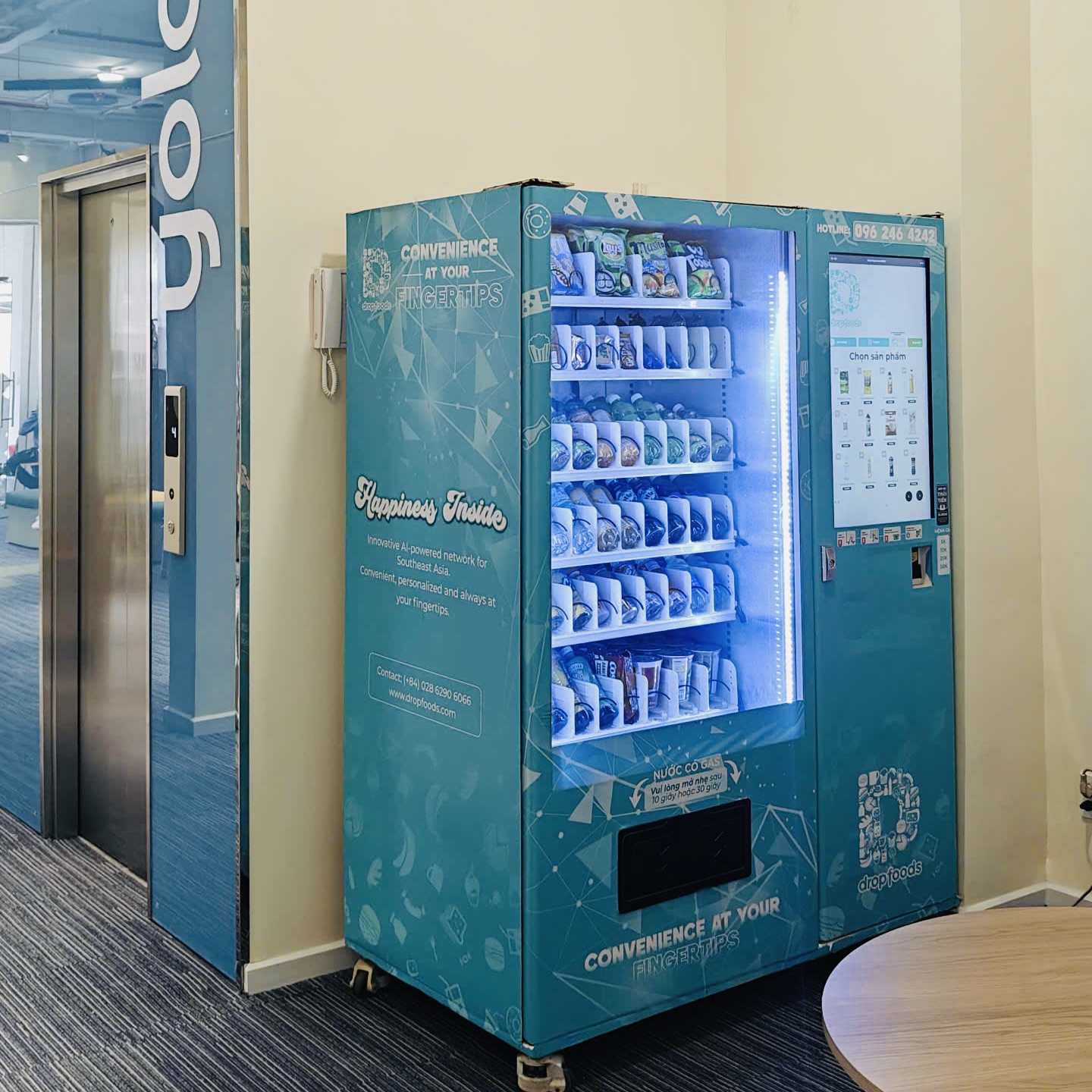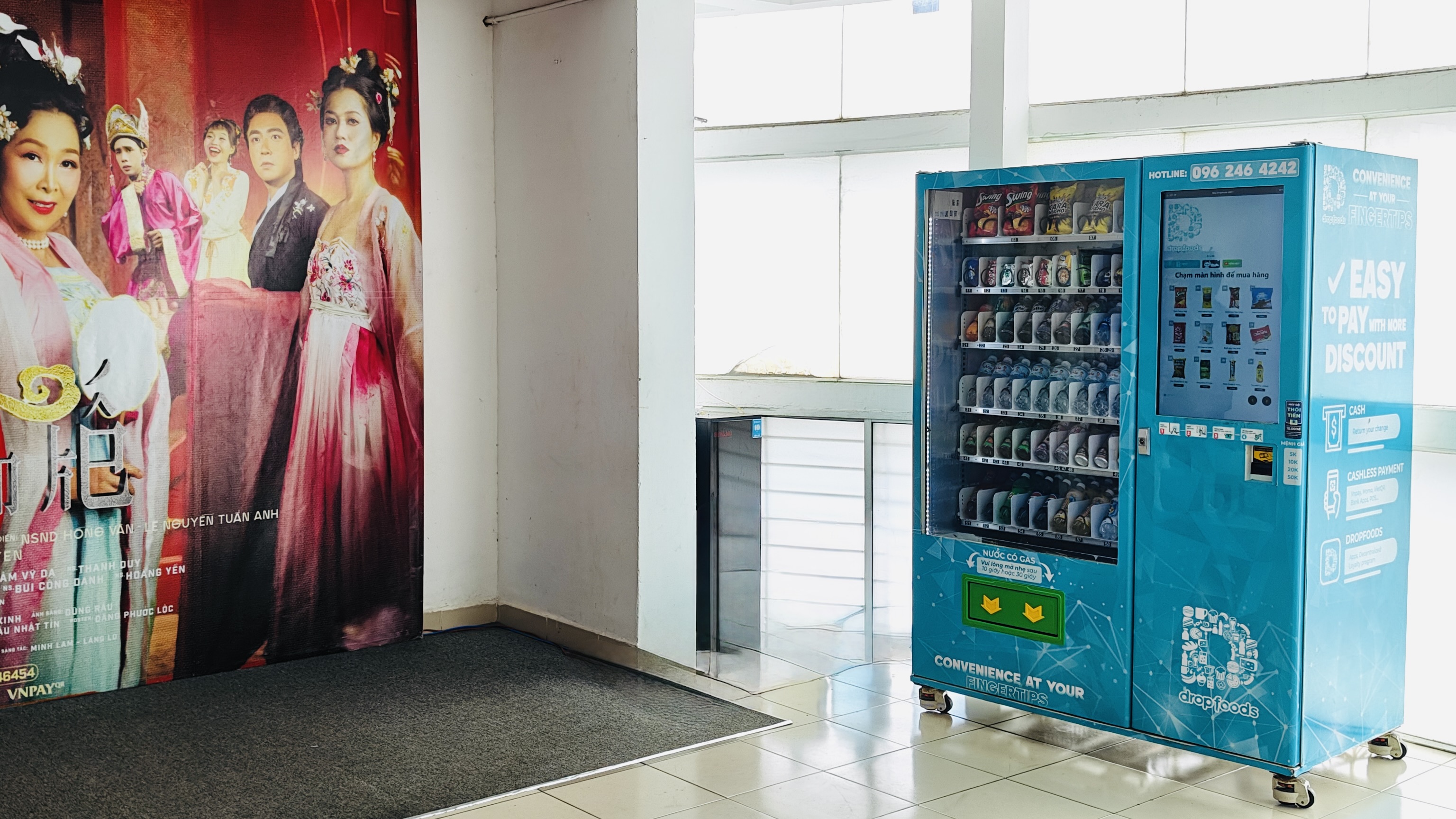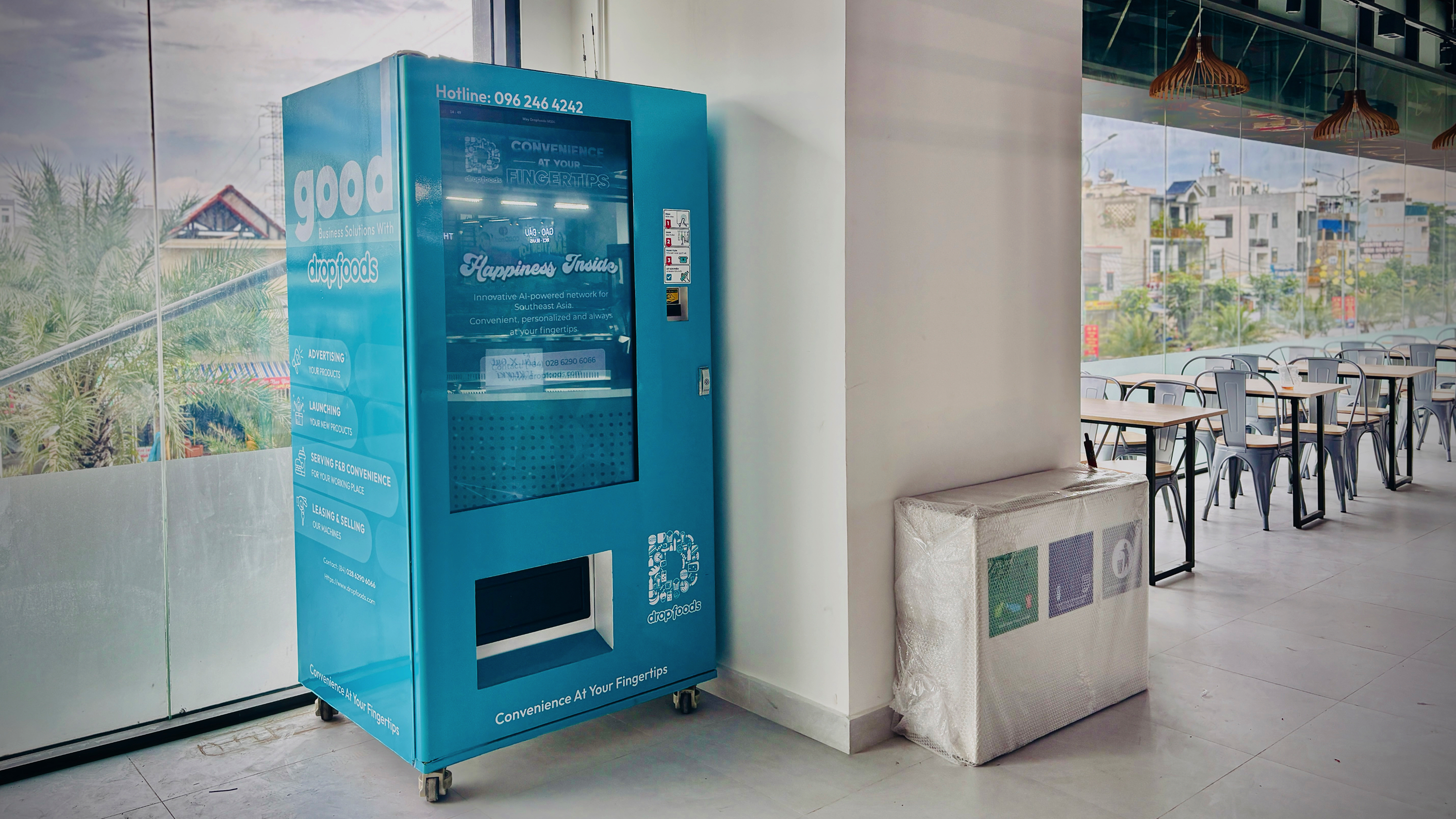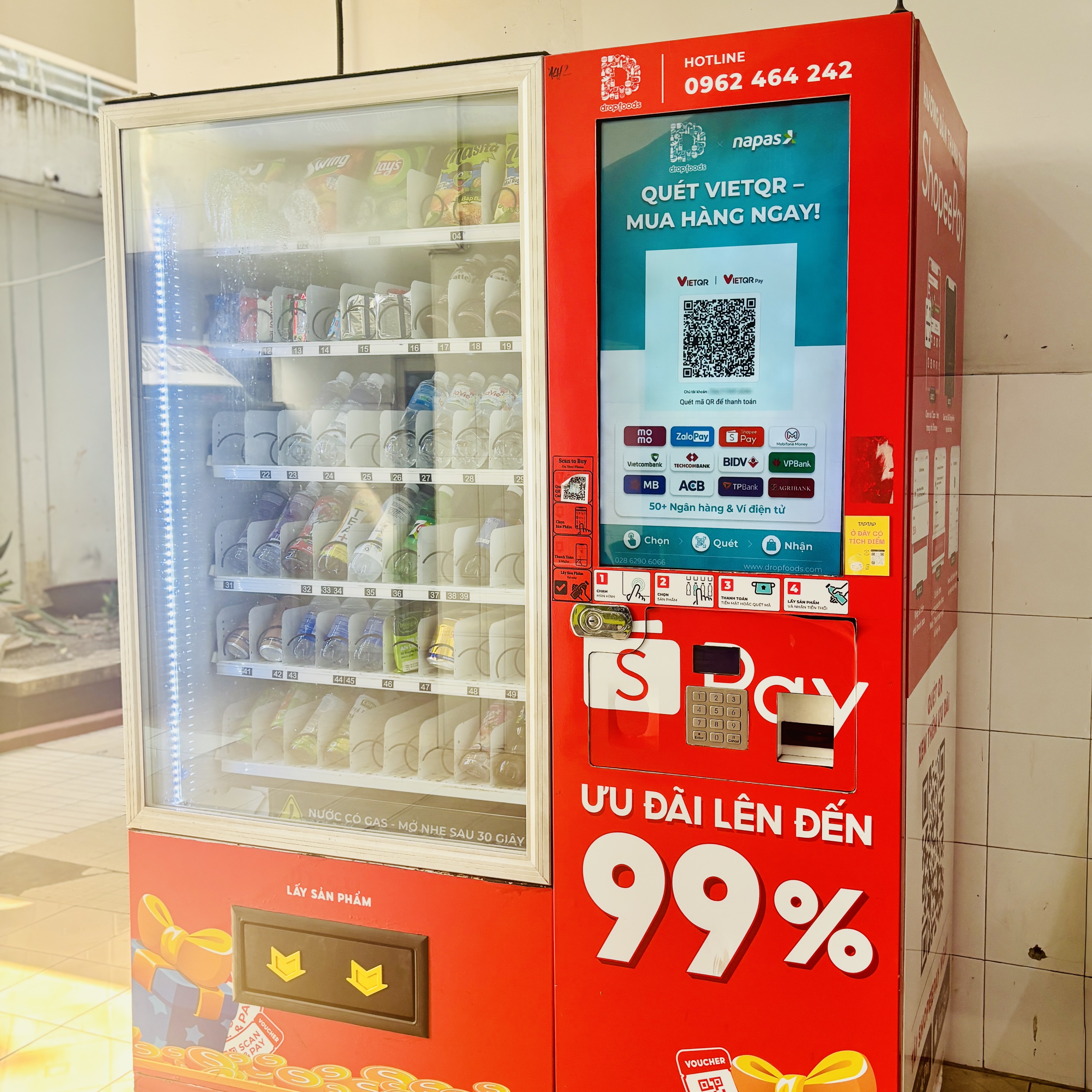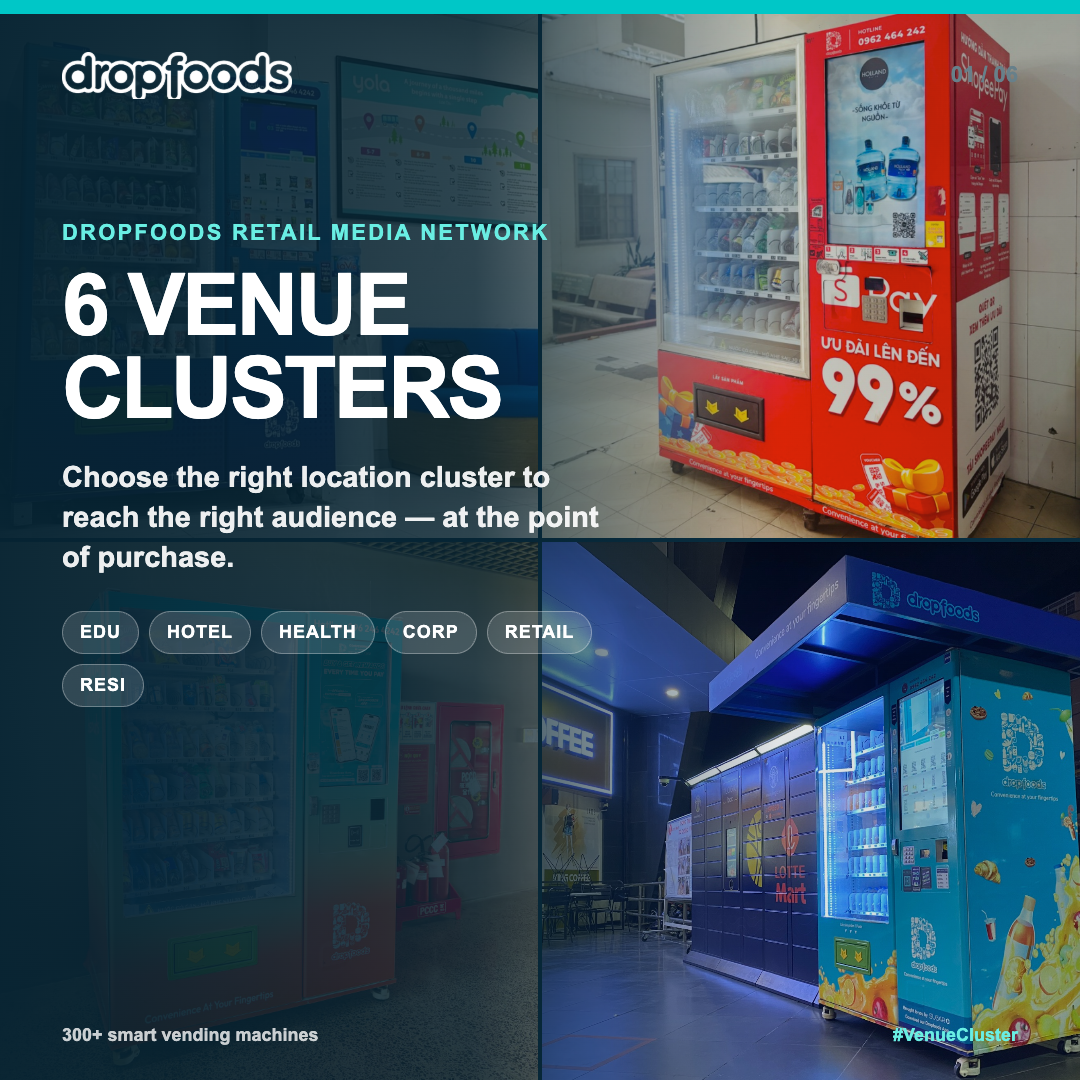
A DOOH campaign on smart vending should not start with the question "how many machines?" — it should start with "who does the brand need to reach, where, and when?" Dropfoods segments its network into 6 venue clusters so brands can target the right audience, control the display context, and measure results by location group.
1. What is a venue cluster?
The same ad screen, but a hospital, a school and an office each drive very different buying behavior.
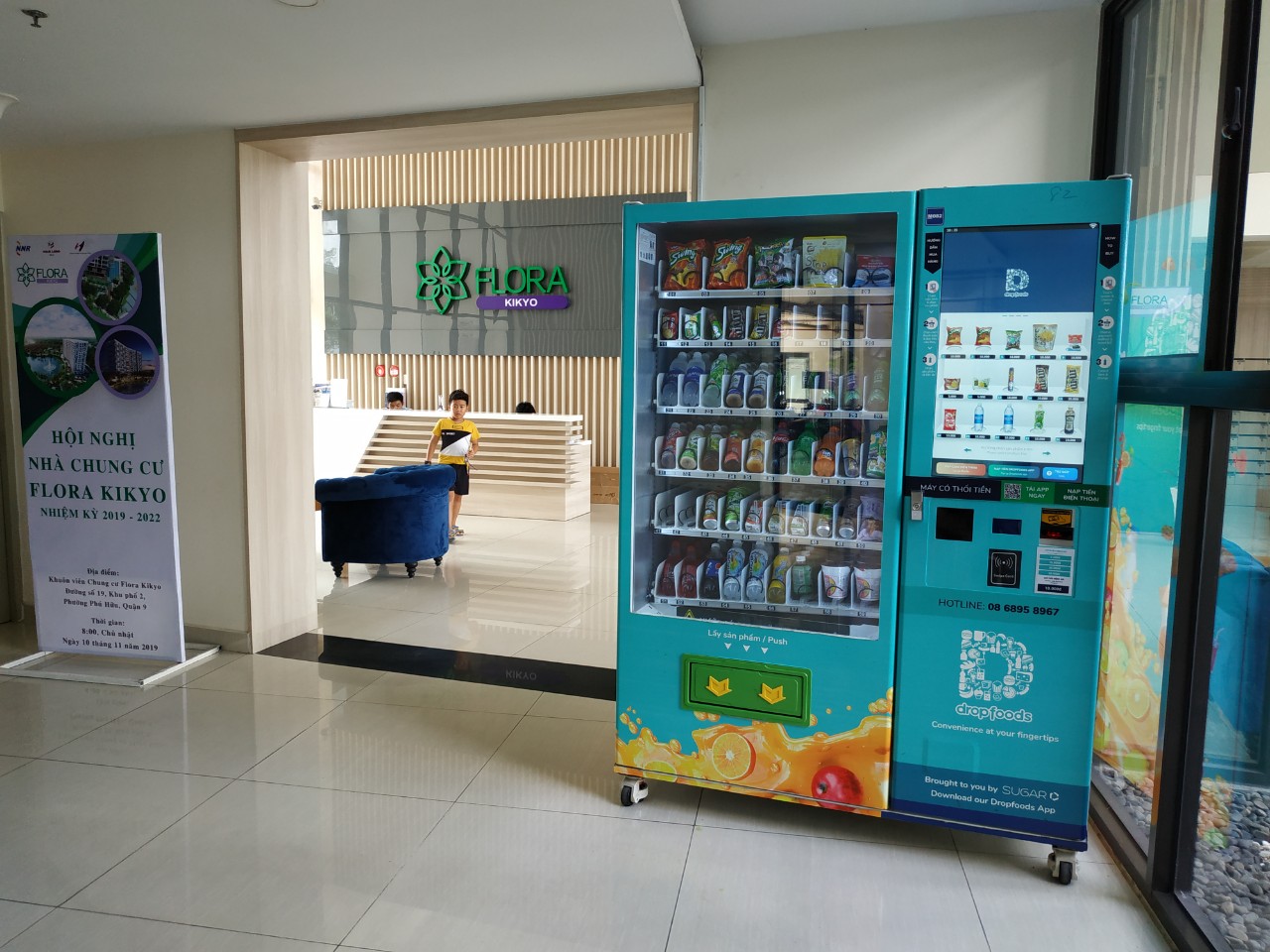
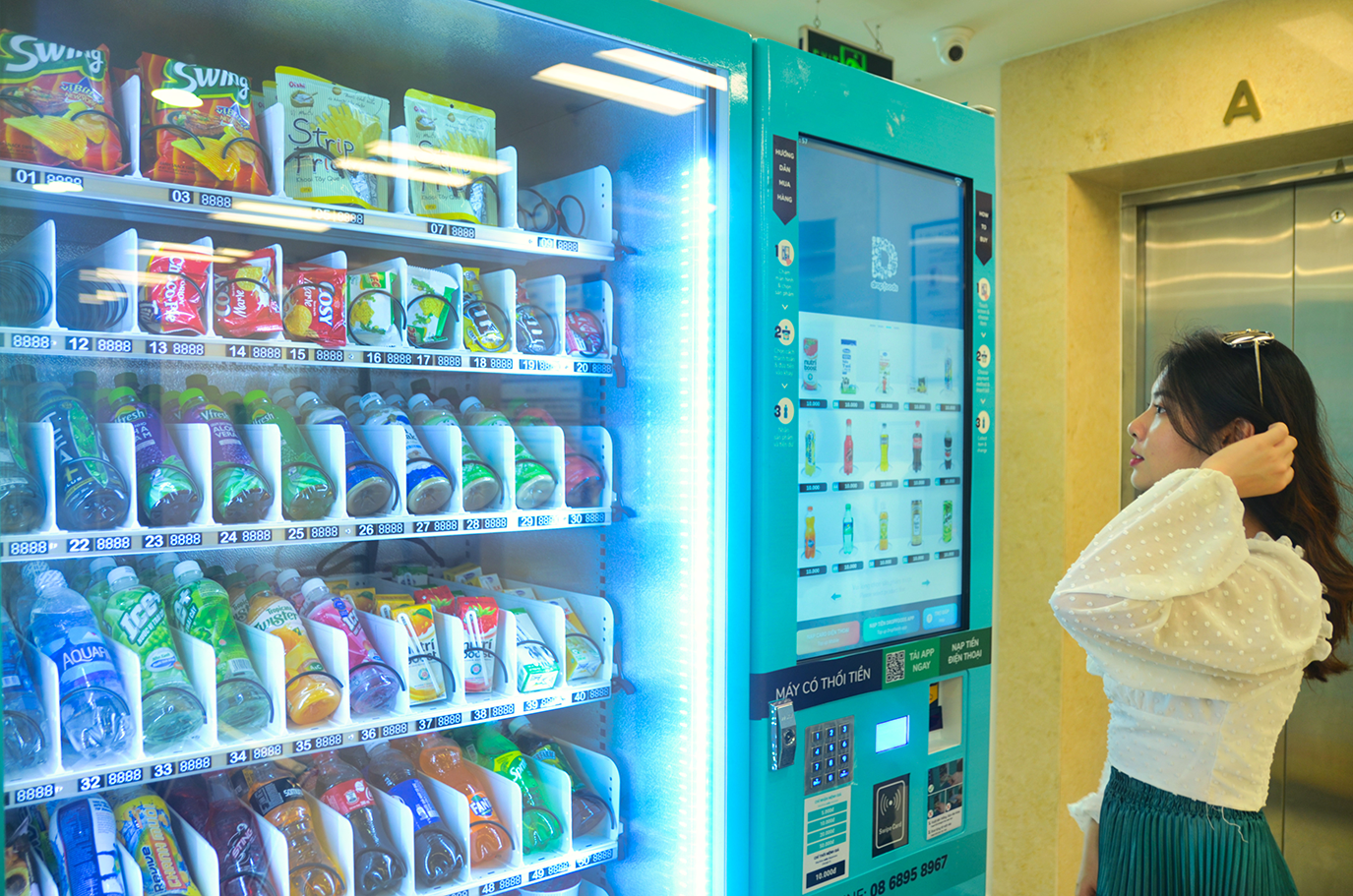
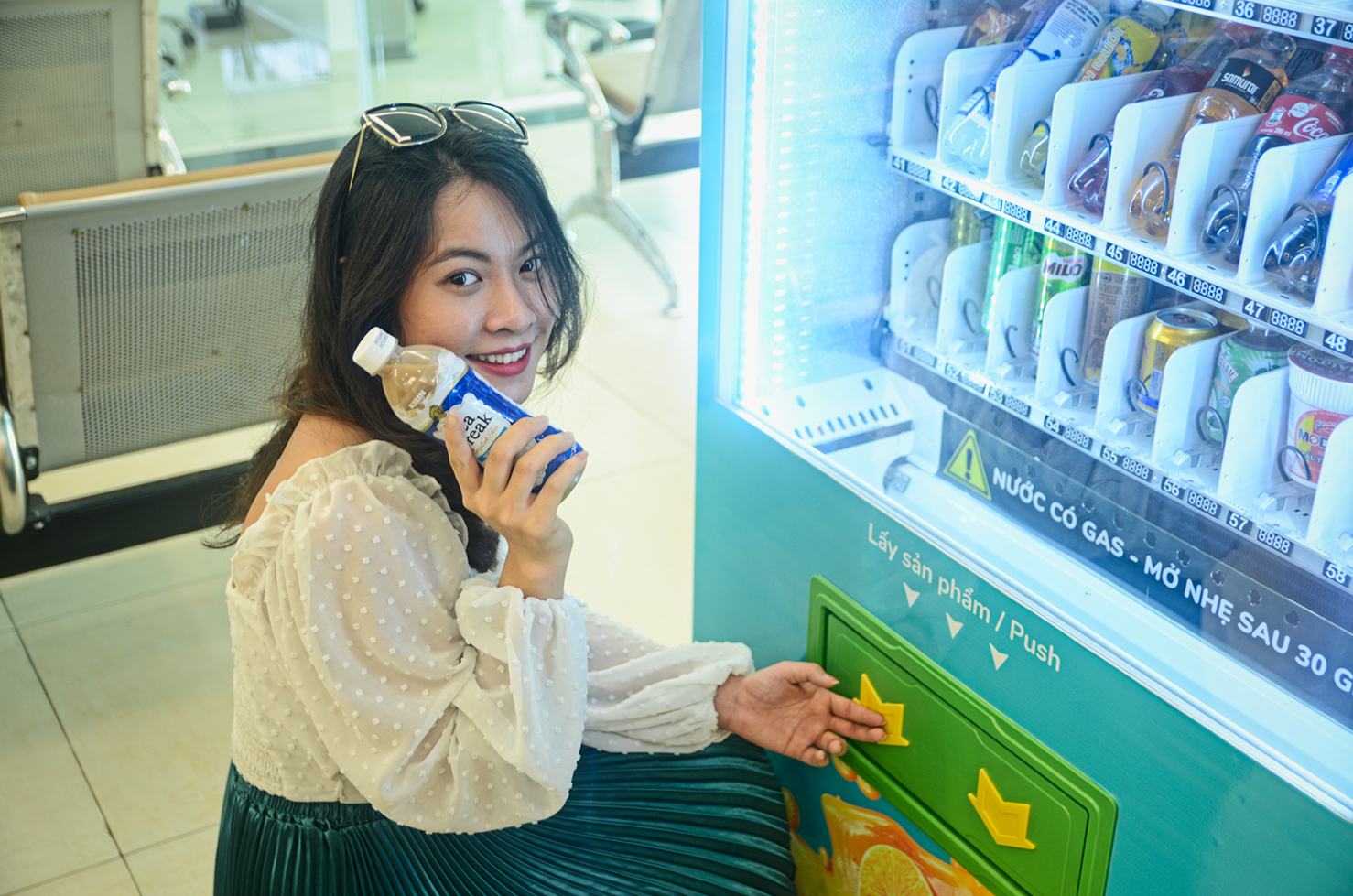
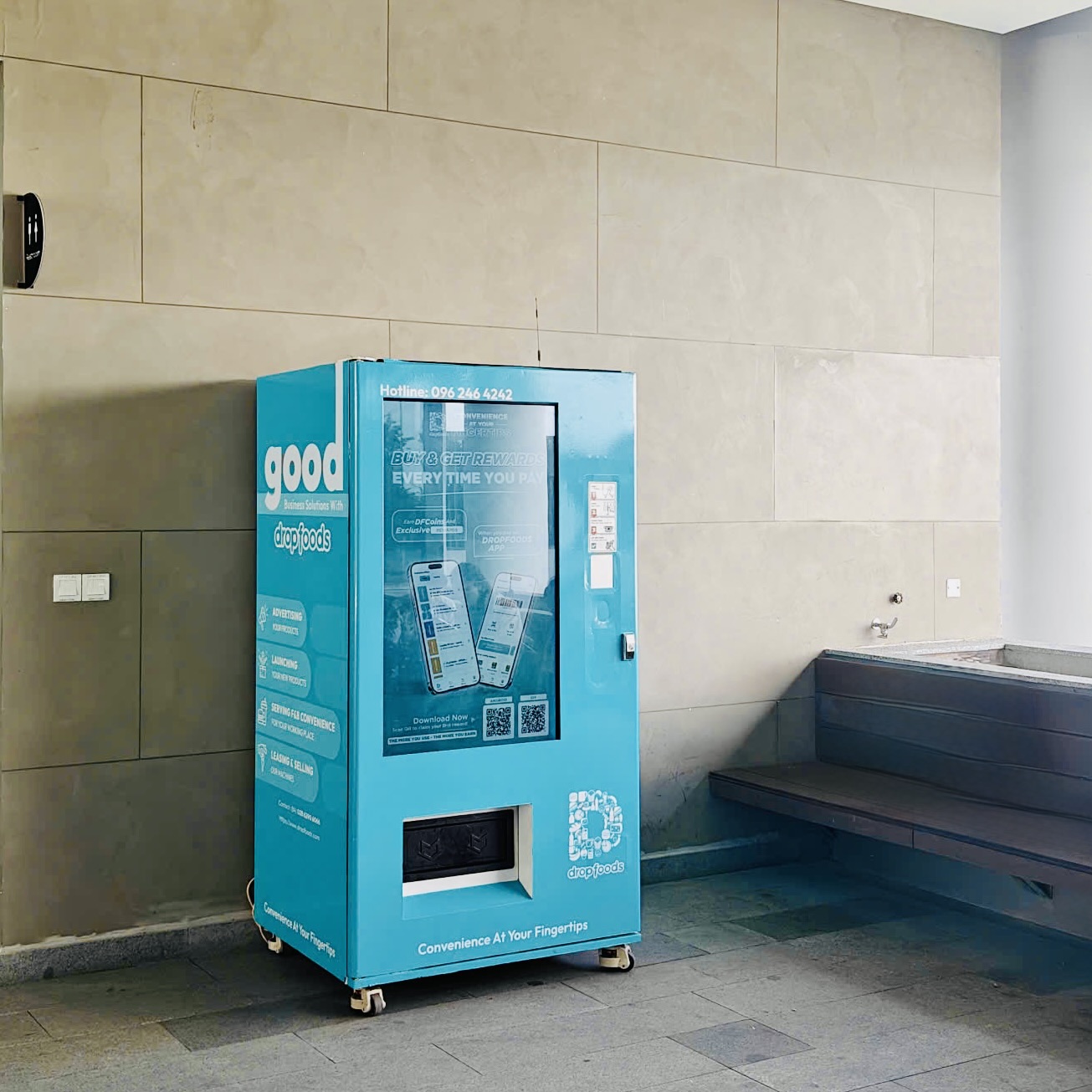
A venue cluster is a way of grouping machine locations by real usage context: the buyer may be a student, an office worker, a resident, a patient's family member or a shopper. With smart vending this context matters, because the ad sits right at the point of transaction: viewers can buy the product, scan a QR code, receive a sample or leave a lead right at the machine.
Insight: choose the cluster before the number of machines
On a small pilot budget, 10 machines in the right cluster usually beat 30 spread thin with no clear audience. A cluster gives the campaign a clear hypothesis: selling drinks in hospitals, sampling beverages to Gen Z, or lead-gen for apartment residents.
2. The 6 core clusters on the Dropfoods network
| Cluster | Core audience | Best-fit brands |
|---|---|---|
| EDU Schools & English centers | Gen Z, students, language learners | Beverages, snacks, apps, ed-tech, lifestyle |
| HEALTH Hospitals & clinics | Patients, family members, medical staff | Drinking water, ionized water, nutritional milk, health products |
| CORP Offices & enterprises | Office workers, tech workers | Coffee, energy drinks, healthy snacks, B2B services |
| RETAIL Malls & shopping points | Families, shoppers, leisure visitors | FMCG, new products, impulse purchase, promotions |
| RESI Apartments & residential | Residents, young families, repeat buyers | Essentials, milk, everyday beverages, resident conveniences |
| HOTEL Hotels & accommodation | Tourists, business travelers, higher spending power | Premium drinks, skincare, travel services, lifestyle |


3. How to choose a cluster by campaign objective
If the objective is fast product trial, prioritize clusters with easy-to-consume products and a fitting context: EDU, CORP, RETAIL. If the objective is trust and utility, HEALTH and RESI may fit better, because buyers have specific needs and are more likely to return to the location.
For a Type A DOOH campaign, where the brand has products in the machine, choose clusters by their conversion-to-purchase potential. For Type B or lead-gen campaigns, choose by audience fit: for example, a fintech app might pick CORP + RESI, while ed-tech should pick EDU + CORP.
4. Suggested media mix for the first pilot month
| Objective | Suggested clusters | How to measure |
|---|---|---|
| Launch a new beverage | EDU + CORP + RETAIL | D-Spots, Verified Views, Verified Purchases, per-machine sell-through |
| Brand health / hydration | HEALTH + CORP + RESI | Purchase uplift, repeat orders, purchase timing by location |
| Service / app lead-gen | CORP + RESI + EDU | QR scans, form submits, cost per lead |
| O2O sampling | EDU + RETAIL + CORP | Samples dispensed, redemption, feedback forms, first-party data |
5. From cluster to campaign report
The strength of smart vending is that it does not stop at impressions. Dropfoods can report by machine, by cluster and by time, then reconcile that data against buying behavior or interactions at the machine. For brands, this turns DOOH from an awareness channel into a retail media channel backed by real operational data.
Ready to choose a cluster for your next campaign?
Dropfoods helps you choose location clusters, pilot machine counts and KPIs by product category. Get in touch for a media kit and a shortlist of placements.
Talk to usContact Dropfoods Vietnam
Address: 34 Le Duan, Sai Gon Ward, Ho Chi Minh City (Mon–Fri: 8:30 am – 5:30 pm)
Hotline: (84) 028 6290 6066
Email: contact@dropfoods.com
Facebook: facebook.com/maybanhangdropfoods
Website: dropfoods.com | dropfoods.com.vn